How medieval philosophy argued over authoritative texts
Medieval philosophy is philosophy from the Middle Ages, shaped by the rediscovery of Greek and Roman culture and efforts to address theological problems by joining sacred doctrine with secular learning. These lessons help readers understand how scholars argued over authoritative texts. They follow themes of interpretation, logic, and debate.
2 articles, 1 video, 1 book · about 28 min of reading and viewing
The reading path
- Readmedieval philosophy · Wikipedia · 16 min read
Medieval philosophy drew on William of Moerbeke's translations and editions of Greek philosophical texts, which helped clarify Greek philosophy, especially Aristotle, beyond the Arabic versions scholars had relied on. Moerbeke's work formed the basis of the major commentaries that followed. In medieval Islamic philosophy and ethics, Abu Nasr al-Farabi wrote The Attainment of Happiness, reasoning that political science and religion must be built on a foundational understanding of the universe. He argues that understanding universal matters first helps form just opinions about political philosophy and religion. Medieval philosophy's scholastic writers refined and developed Aristotelian logic to a remarkable degree from the time of Abelard until the middle of the fourteenth century.
- ReadScholasticism - By Movement / School - The Basics of Philoso | Philosophy Basics · Philosophy Basics · 4 min read
Scholastic teaching in medieval philosophy used the "lectio," a teacher's reading and explanation of a text without questions, and the "disputatio," in which students and teachers argued a question back and forth. Scholasticism was a method of learning that emphasized exchanging arguments to answer questions or resolve contradictions. Scholasticism, a method of medieval philosophy, began with a critical reading of an authoritative text, such as the Bible or texts of Plato or St. Augustine, alongside related documents and commentaries, noting disagreements. Philological and logical analysis then reconciled the arguments by examining ambiguous words and showing that apparent contradictions were subjective to the reader.
- WatchWhat is Scholasticism? (Medieval Philosophy) · YouTube · 8 min watch
The video explains Scholasticism, a movement in the middle ages that attempted to reconcile works of classical philosophy with Christian Theology.
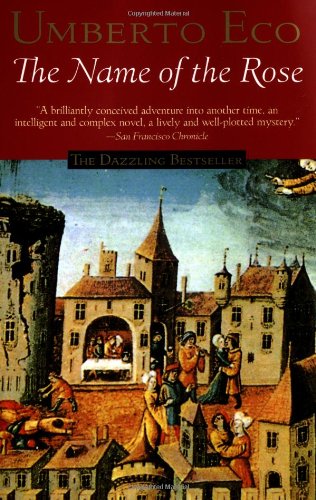
- BookThe Name of the Rose · Bookshop.org
The Name of the Rose by Umberto Eco describes Brother William of Baskerville investigating suspected heresy and seven bizarre deaths, using the logic of Aristotle, the theology of Aquinas, and the empirical insights of Roger Bacon.


Book links are Bookshop.org affiliate links. Curiate may earn a commission on purchases, at no extra cost to you — Bookshop.org also gives a share to independent bookshops.
Reading paths, built to arrive somewhere
Curiate turns what you are curious about into a short path — a quick lesson on an article, something to watch, and a book to go deep on. Free to browse.