How microbial communities work together in microbiome research
Microbiome research studies communities of microorganisms living together in a habitat. The lessons answer how microbial communities work together, and help readers understand how their interactions shape community life. They connect themes of cooperation, community formation, and relationships with hosts and habitats.
3 articles, 1 book · about 1 hr 1 min of reading and viewing
The reading path
- Readmicrobiome research · Wikipedia · 47 min read
In microbiome research, microbes interact with one another, and these symbiotic interactions have diverse consequences for microbial fitness, population dynamics and functional capacities within the microbiome. Co-occurrence networks help visualize microbial interactions: nodes usually represent taxa, and edges represent statistically significant associations between nodes. Plant microbiome research examines how plant-associated microbiota colonise different niches on and inside plant tissue. Above-ground parts, called the phyllosphere, form a continuously evolving habitat due to ultraviolet (UV) radiation and altering climatic conditions. Olavius algarvensis is a gutless marine oligochaete worm and a relatively well-studied marine host to microbes. The worms lack a mouth and digestive or excretory system, and are nourished by extracellular bacterial endosymbionts that use environmental sulfur in a coordinated way.
- ReadThe Quest for Simple Rules to Build a Microbial Community | Quanta Magazine · Quanta Magazine · 12 min read
Microbial communities in microbiome research can form robust networks of interacting species from founder cells, and these communities can perform biochemical functions that no single species can do on its own.
- ReadGuess What? You're a Superorganism. - JSTOR Daily · JSTOR Daily · 2 min read
A baby starts building her microbiome immediately, picking up helpful bacteria directly from the birth canal. In newborns, there is evidence that the immune system is suppressed deliberately to allow helpful microorganisms to take hold, suggesting greater benefit to aiding helpful bacteria than to fighting harmful ones.
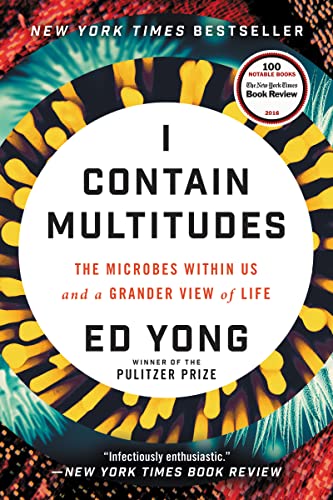
- BookI Contain Multitudes: The Microbes Within Us and a Grander View of Life · Bookshop.org
I Contain Multitudes by Ed Yong describes how microbes help animals digest plants, provide squids with invisibility cloaks, and allow worms to cause diseases that afflict millions of people.


Book links are Bookshop.org affiliate links. Curiate may earn a commission on purchases, at no extra cost to you — Bookshop.org also gives a share to independent bookshops.
Reading paths, built to arrive somewhere
Curiate turns what you are curious about into a short path — a quick lesson on an article, something to watch, and a book to go deep on. Free to browse.