How modernism broke with tradition
Modernism was an early 20th-century movement in literature, visual arts, performing arts, and music that emphasized experimentation, abstraction, and subjective experience. What does its break with tradition help us understand about how art responds to a changing world? The lessons trace this break through new approaches to artistic practice, cultural inheritance, and modern life.
3 articles, 1 video, 1 book
The reading path
- Readmodernism · Wikipedia · 60+ min read
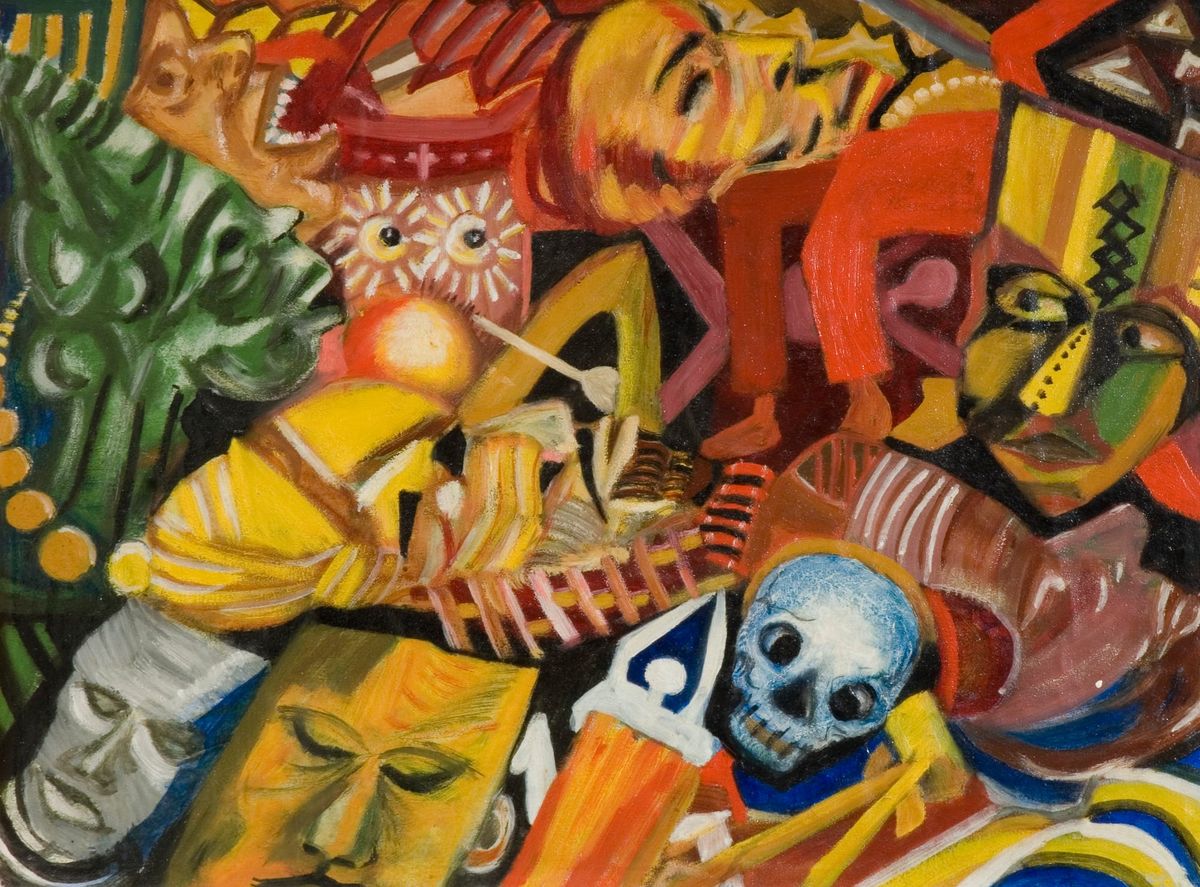
Modernist composer Arnold Schoenberg rejected traditional tonal harmony, the hierarchical system that had guided musical composition for at least a century and a half. Modernists did not completely reject art as a means of understanding the world. They saw it as a tool for challenging and disrupting the viewer's point of view, rather than directly accessing a higher reality. Architect Kenzō Tange (1913 to 2005) combined traditional Japanese styles with modernism and designed major buildings on five continents.
- ReadThe Triumph of German Industrial Modernism · Palladium Magazine · 12 min read
The Werkbund's founders rejected the English Arts and Crafts movement's nostalgic escape into handicraft. For modernism, they argued that modern life would be redeemed through disciplined cooperation between artists and industry, not retreat.
- ReadThe Revolutionary Tapestry of Nigerian Modernism · Hyperallergic
The Zaria Art Society's works show Nigerian modernism's desire to break traditions and create something vibrant and new, befitting a post-independence country. Jimo Akolo's (1935 to 2023) "Fulani Horsemen" (1962) uses geometric design, bold linework and colors.
- WatchLost Chapters of Modernism: Case Studies in Reconstruction | MoMA LIVE · YouTube · 1 hr 51 min watch
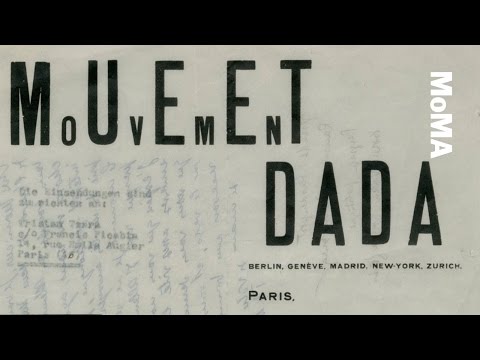
The program examines case studies in reconstructing modernist works that were unrealized, lost, destroyed, or ephemeral, including Adrian Sudhalter's research on Tristan Tzara's unrealized Dadaglobe anthology.
- BookTo the Lighthouse · Bookshop.org
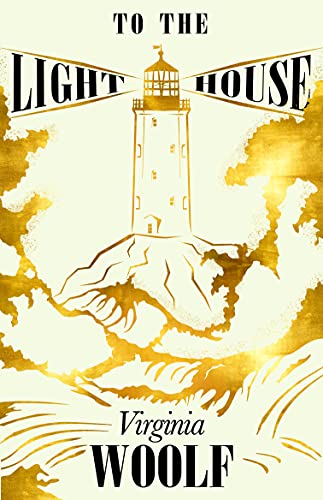
To the Lighthouse by Virginia Woolf describes the Ramsays and their guests on holiday on the Isle of Skye, then follows time winding through their lives as they face change.


Book links are Bookshop.org affiliate links. Curiate may earn a commission on purchases, at no extra cost to you — Bookshop.org also gives a share to independent bookshops.
Reading paths, built to arrive somewhere
Curiate turns what you are curious about into a short path — a quick lesson on an article, something to watch, and a book to go deep on. Free to browse.