How nutrition shapes health-promoting eating patterns
The science of nutrition is the study of nutrition as a hard science, typically emphasizing human nutrition. These lessons answer how nutrients relate to health-promoting eating patterns and help readers understand how to think about eating well. They move from nutrients and balanced diets toward broader dietary patterns and guidelines.
3 articles, 1 video, 1 book
The reading path
- Readthe science of nutrition · Wikipedia · 18 min read
Humans are omnivores that eat a variety of foods, and cultivation of cereals and production of bread has made up a key component of human nutrition since the beginning of agriculture. Nutrition in humans is balanced with eating for pleasure, and optimal diet may vary depending on each person's demographics and health concerns. In nutrition, a lack of just one essential nutrient can cause bodily harm, just as an overabundance can cause toxicity. A balanced diet includes appropriate amounts of all essential and non-essential nutrients. The science of nutrition identified thiamine as the first vitamin to be chemically identified in 1926, and vitamin C as a protection against scurvy in 1932. The role of vitamins in nutrition was studied in the following decades.
- ReadGuide to the Mediterranean diet - Harvard Health · Harvard Health Blog · 5 min read
The Mediterranean diet is a style of eating that emphasizes minimally processed, plant-based foods. It includes fruits, vegetables, nuts, beans, whole grains including whole-grain pasta and breads, olive oil, red wine, and small amounts of fish, eggs, dairy, and meats.
- ReadFood quality, diet quality, and how to paint with a broad brush in nutrition · Stronger by Science
Some key dietary patterns are linked to better health outcomes. Scoring individual foods is, in this piece's view, a lost cause because it strips away context. General dietary guidelines work better as a rough template, with room to individualize.
- WatchMicronutrients for Health & Longevity | Dr. Rhonda Patrick · YouTube · 2 hr 50 min watch
Rhonda Patrick, Ph.D., discusses four categories of micronutrients and their roles in cellular and organ stress, inflammation, hormone regulation, immunity and longevity, along with food and supplement sources.
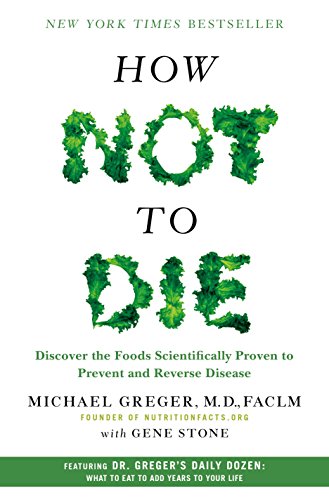
- BookHow Not to Die · Bookshop.org
How Not to Die by Michael Greger describes how a whole food plant-based diet reduces the risk of dying from 15 leading causes of death in the United States, then lists the "daily dozen" plant-based ingredients Greger suggests improve health and longevity.


Book links are Bookshop.org affiliate links. Curiate may earn a commission on purchases, at no extra cost to you — Bookshop.org also gives a share to independent bookshops.
Reading paths, built to arrive somewhere
Curiate turns what you are curious about into a short path — a quick lesson on an article, something to watch, and a book to go deep on. Free to browse.