How human stories may help build trust in science communication
Science communication connects science and society by sharing findings with non-experts, raising awareness and interest, shaping attitudes and behavior, informing policy, and engaging communities on societal problems. How can human stories help build trust and open conversations across differences? The lessons consider storytelling, public events, online dialogue, and communication standards as ways to connect science with people.
2 articles, 1 video, 1 book · about 55 min of reading and viewing
The reading path
- Readscience communication · Wikipedia · 44 min read
Science communication, Susanna Hornig Priest argued in her 2009 introduction essay on science's contemporary audiences, might help non-scientists feel they are not excluded: they can join in if they want, rather than feeling a necessity to spend their lives engaging. Live science communication includes public lectures in museums or universities, debates, science busking, "sci-art" exhibits, Science Cafés and science festivals. Events can combine science communication and comedy, as in Festival of the Spoken Nerd, or take place during scientific controversies.
- ReadScience Communication in the Post-Expert Digital Age - Eos · Eos · 6 min read
Science communicators can join and initiate conversations that start with people, not science, to open new lines of conversation across ideological divisions. Strategically navigated online communication may help.
- WatchDeveloping Students' Science Communication Skills · YouTube · 5 min watch
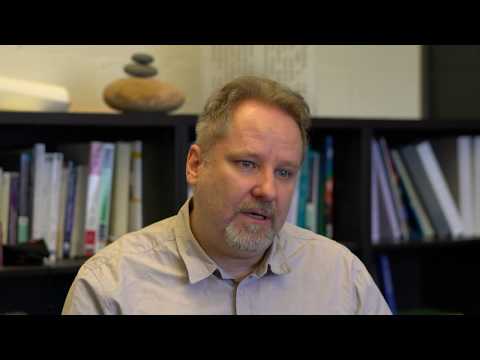
Gunther Roland discusses the central importance of communication skills in physics.
- BookThe Immortal Life of Henrietta Lacks · Bookshop.org
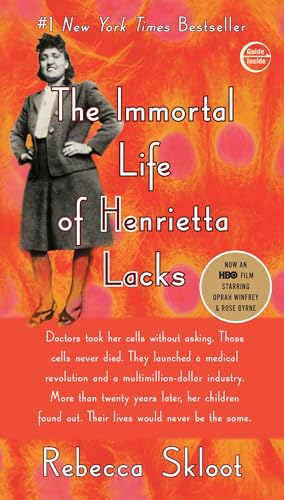
The Immortal Life of Henrietta Lacks by Rebecca Skloot describes how Henrietta's cells were taken without her knowledge, her family was used in research without informed consent, and her family never saw profits from the multimillion-dollar industry selling human biological materials.

Book links are Bookshop.org affiliate links. Curiate may earn a commission on purchases, at no extra cost to you — Bookshop.org also gives a share to independent bookshops.
Reading paths, built to arrive somewhere
Curiate turns what you are curious about into a short path — a quick lesson on an article, something to watch, and a book to go deep on. Free to browse.