How oceanography reveals a connected Earth system
Oceanography is the scientific study of the ocean, including its physics, chemistry, biology, and geology. This path helps readers understand what ocean research can reveal about the ocean and its connections with Earth. It moves from the foundations of oceanography to themes in ocean circulation, regional change, and the ocean's relationship with the atmosphere.
2 articles, 1 video, 1 book · about 44 min of reading and viewing
The reading path
- Readoceanography · Wikipedia · 22 min read
The 1872 to 1876 Challenger expedition was the seminal event in founding modern oceanography. As the first true oceanographic cruise, it laid the groundwork for an entire academic and research discipline. Meridional overturning circulation is the name increasingly used for the thermohaline circulation, a system that connects the ocean basins and depends primarily on sea water density. The name accounts more accurately for driving factors beyond temperature and salinity. Ocean heat content is extra heat stored in the ocean from changes in Earth's energy balance. Its increase contributes to sea level rise through thermal expansion.
- ReadNew Indian Ocean Program Builds on a Scientific Legacy - Eos · Eos · 11 min read
Oceanography can now track how the Indian Ocean changes across spatial and temporal scales and how those fluctuations couple to the atmosphere. IIOE-2 aims to explain how geological, ocean, and atmospheric processes shape the region's dynamics and how those dynamics affect climate, extreme events, ecosystems, and human populations.
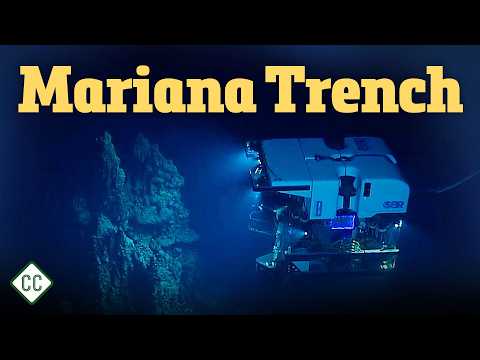
- WatchThe Deepest Point in the World: Crash Course Geology #12 · YouTube · 11 min watch
The video explores marine geology, including hydrothermal vents, deep trenches, the ocean floor and ocean currents. It presents marine geology as the science of "what the heck is going on with the ocean floor?"
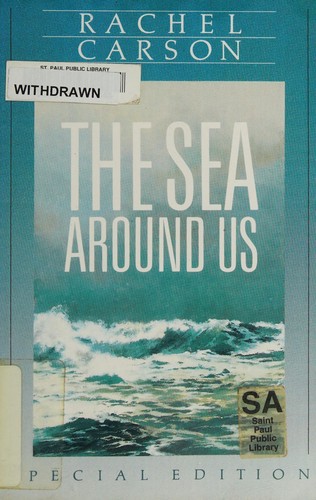
- BookThe Sea Around Us · Bookshop.org
The Sea Around Us by Rachel Carson includes a new chapter in which Jeffrey Levinton brings its scientific side up to date, incorporating recent thinking on continental drift, coral reefs, the spread of the ocean floor, ocean deterioration, and mass extinction of sea life.


Book links are Bookshop.org affiliate links. Curiate may earn a commission on purchases, at no extra cost to you — Bookshop.org also gives a share to independent bookshops.
Reading paths, built to arrive somewhere
Curiate turns what you are curious about into a short path — a quick lesson on an article, something to watch, and a book to go deep on. Free to browse.