The impact of climate change on coastal communities and rising seas
Climate change threatens coral reefs that protect coasts and support food and tourism, and ocean warming is one of several threats behind their decline. What do warming oceans and rising seas mean for coastal risk, and how can readers understand the pressures coastal communities face? The lessons connect ocean warming, sea level rise and coastal hazards.
2 articles, 1 video, 1 book · about 1 hr 10 min of reading and viewing
The reading path
- Readthe impact of climate change on coastal communities · Wikipedia · 59 min read
Coastal flooding will threaten hundreds of millions of people by 2050, particularly in Southeast Asia. For coastal communities, human-induced climate change "continues to warm the oceans which provide the memory of past accumulated effects," raising ocean heat content and sea surface temperatures. This invigorates tropical cyclones to make them more intense, bigger, longer lasting and greatly increases their flooding rains.
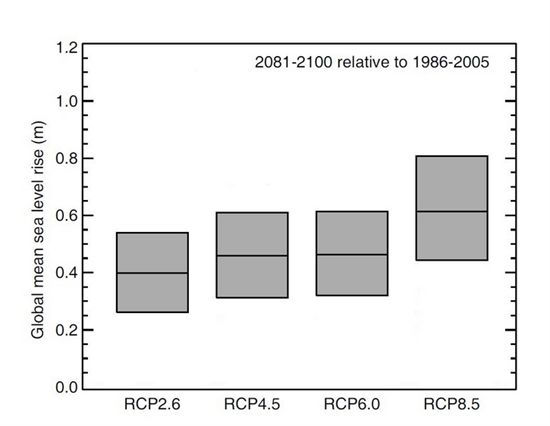
- ReadWhat the new IPCC report says about sea level rise - Carbon Brief · Carbon Brief · 5 min read
Under all scenarios, the expansion of water as it warms is the biggest cause of sea level rise, accounting for between 30 and 55 per cent of the increase. The oceans have absorbed more than 90 per cent of the heat trapped by greenhouse gas emissions since the 1970s, and as temperatures rise, more heat will enter the sea.
- WatchSea level rise is getting worse. Here's what you need to know. · YouTube · 6 min watch
Sea level rise, sunshine flooding and climate change are connected, and America's coastal cities are seeing more nuisance flooding.
- BookThe Water Knife · Bookshop.org
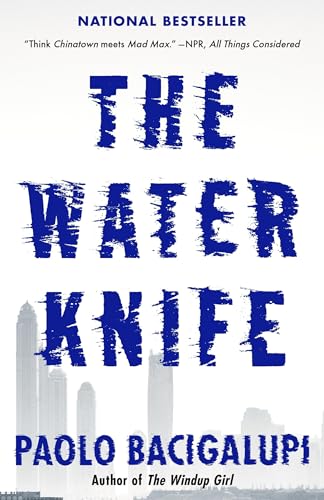
The Water Knife by Paolo Bacigalupi describes Angel Velasquez investigating a rumored game-changing water source in Phoenix, where Lucy is also hunting for water and a river's life-giving flow is at stake.

Book links are Bookshop.org affiliate links. Curiate may earn a commission on purchases, at no extra cost to you — Bookshop.org also gives a share to independent bookshops.
Reading paths, built to arrive somewhere
Curiate turns what you are curious about into a short path — a quick lesson on an article, something to watch, and a book to go deep on. Free to browse.