How postcolonial theory challenges colonial power
Postcolonial theory is the academic study of colonialism and imperialism's cultural, political and economic consequences, including their effects on colonized people and their lands. The lessons answer how colonial power shapes whose stories and knowledge count, and help readers understand how those assumptions are challenged. They trace the continuing effects of colonial power and the ways people respond to it.
2 articles, 1 video, 1 book · about 1 hr 2 min of reading and viewing
The reading path
- Readpostcolonial theory · Wikipedia · 44 min read
Postcolonial theory examines how neocolonial discourse often relegates decolonized peoples, their cultures, and their countries to an imaginary place, such as "the Third World." This term erases distinctions and identities of the groups it claims to represent. Belgium, Britain, France and Germany proffered theories of national superiority that justified colonialism as delivering the light of civilization to unenlightened peoples. These theories helped justify colonial power by presenting it as "the extension of civilization" and are among the theories postcolonialism aims to disempower.
- Read"What is Postcolonial Studies?" · postcolonial.net · 5 min read
Postcolonialism offers a language for people who seem not to belong and whose knowledges and histories are not allowed to count. It challenges assumptions circulated by colonizers and offers native responses and resistance to past and current colonial imperatives.
- WatchDecolonization and Nationalism Triumphant: Crash Course World History #40 · YouTube · 13 min watch
John Green teaches about the post-World War II breakup of most European empires, where violence often ensued as colonial rule ended. The video covers decolonization in regions including India, Vietnam, Cambodia, Laos, and Egypt.
- BookThings Fall Apart · Bookshop.org
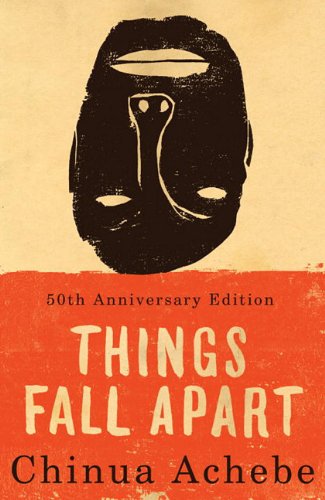
Things Fall Apart by Chinua Achebe portrays Okonkwo, a traditional and influential leader who opposes colonialism and early Christianity, and depicts Igbo culture as a way to revive its lost dignity during colonization. Its account of contradictions between African and Western cultural practices shows how cultural conflict plays out.

Book links are Bookshop.org affiliate links. Curiate may earn a commission on purchases, at no extra cost to you — Bookshop.org also gives a share to independent bookshops.
Reading paths, built to arrive somewhere
Curiate turns what you are curious about into a short path — a quick lesson on an article, something to watch, and a book to go deep on. Free to browse.