How political theory justifies and exercises power
Political theory is the study of the ideas and concepts that underpin politics, with roots in ancient Greek discussions of justice and ideal states. These lessons help you understand how political power is justified and exercised. They trace how political arrangements shape authority, constrain its use, and define its relationship to individuals and shared life.
2 articles, 1 video, 1 book · about 1 hr 22 min of reading and viewing
The reading path
- Readpolitical theory · Wikipedia · 51 min read
In political theory, some governments set down fundamental principles, called a constitution, that outline the structure, functions, and limitations of governmental authority. By institutionalizing these principles, constitutions can help constrain and stabilize the exercise of power, prevent abuses and arbitrary rule, legitimize rule-bound governance, and safeguard rights. Political theory distinguishes classical from modern liberalism by the role of the state. Classical liberalism seeks to protect individual liberties and rights from government interference, while modern liberalism argues that the state should foster conditions enabling individuals to achieve personal goals. Anarchism rejects hierarchical systems in favor of self-governing social structures and a stateless society. Anarchists see authority over others as a threat to individual autonomy and criticize hierarchies for perpetuating power imbalances and inequalities.
- ReadHow Liberal Civility Decays · Palladium Magazine · 28 min read
A civil association is organized as a corporation, a distinct entity created to pursue members' shared goals and administer their common affairs. In this account, decision-making power belongs to the corporation and ultimately its members, but public officers must exercise it for the organization's good alone, never for their own enjoyment.
- WatchIs democracy really the best form of government? | Steven Pinker | Big Think · YouTube · 3 min watch
Steven Pinker discusses democracy's shortcomings and argues that its alternatives have been worse, noting its associations with peace, prosperity, health, and happiness.
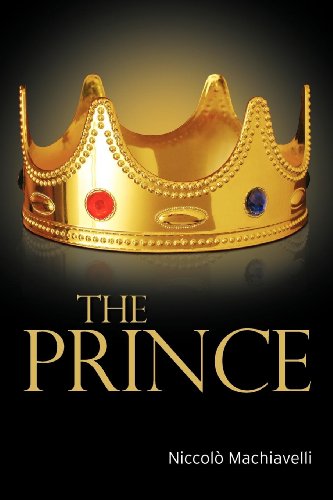
- BookThe Prince · Bookshop.org
The Prince by Niccolò Machiavelli makes the case that understanding a Prince and a people requires seeing each from the other's position. Machiavelli argues that prominent citizens want to command and oppress, while the populace wants freedom from oppression, so a Prince needs a friendly populace.


Book links are Bookshop.org affiliate links. Curiate may earn a commission on purchases, at no extra cost to you — Bookshop.org also gives a share to independent bookshops.
Reading paths, built to arrive somewhere
Curiate turns what you are curious about into a short path — a quick lesson on an article, something to watch, and a book to go deep on. Free to browse.