How public policy analysis meets urban experience
Public policy analysis is a technique used in the public administration sub-field of political science to enable civil servants, nonprofit organizations, and others to examine and evaluate available options for implementing the goals of laws and elected officials; it has been defined as the process of "determining which of various policies will achieve a given set of goals in light of the relations between the policies and the goals."
2 articles, 1 video, 1 book · about 32 min of reading and viewing
The reading path
- Readpublic policy analysis · Wikipedia · 18 min read
Public policy analysis can follow a heuristic model called the policy cycle. It starts by identifying a problem, examines policy tools to respond, puts one or more policies into practice, and evaluates them after they have run for a certain period. Public policy analysis uses qualitative research, including case studies and interviews with community members. Rapid evaluation and assessment methods in public policy analysis can be used when a policy cycle is short. In international development, they are often used to assess the impact of aid policies in response to natural disasters.
- ReadWhat is Policy Relevance? · War on the Rocks · 8 min read
Public debate in public policy analysis can be shaped by academic writing that sets the agenda, even when it is not designed to influence short-term public policy activities. This writing can affect how policymakers think about essential issues and evaluate the world when making decisions, without explicitly guiding particular choices.
- WatchIntroduction to the public policy process | US government and civics | Khan Academy · YouTube · 6 min watch
This Khan Academy video introduces the public policy process in the United States.
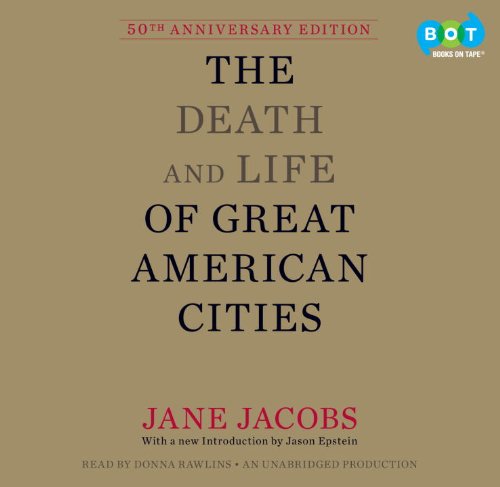
- BookThe Death and Life of Great American Cities · Bookshop.org
The Death and Life of Great American Cities by Jane Jacobs critiques 1950s urban planning policy, which Jacobs argues contributed to the decline of many U.S. city neighborhoods, and argues that planning should prioritize residents' needs and experiences.


Book links are Bookshop.org affiliate links. Curiate may earn a commission on purchases, at no extra cost to you — Bookshop.org also gives a share to independent bookshops.
Reading paths, built to arrive somewhere
Curiate turns what you are curious about into a short path — a quick lesson on an article, something to watch, and a book to go deep on. Free to browse.