How software development methodologies move from phases to flow
Software development methodologies prescribe how engineers work to move a system through its life cycle and provide a blueprint for a process devised for the system development life cycle. How can teams assess their processes and organize work as requirements and priorities change? By the end, readers will understand how development approaches structure work, reveal opportunities for improvement, and support different patterns of delivery.
2 articles, 1 book
The reading path
- Readsoftware development methodologies · Wikipedia
The waterfall model moves through SDLC phases sequentially, while the spiral model combines waterfall with rapid prototyping and deliberate iterative risk analysis. Rapid application development (RAD) makes the contrast vivid: planning is interleaved with writing software, and the lack of extensive pre-planning generally allows faster development and easier requirement changes. Independent assessments grade organizations on how well they follow their defined processes, not on the quality of those processes or the software produced. Measuring what a development organization or project team actually does can reveal weaknesses to improve and strengths to continue or integrate into common practice.
- ReadSoftware Development Methodologies: 8 Models Compared (2026 Guide) · Idealogic
Scrum uses fixed-length Sprints, commonly two weeks, so stakeholders can inspect working software and steer priorities; Kanban instead limits work in progress, such as capping code review at three pull requests. With that cap, engineers review and merge open work before starting another ticket, directly reducing cycle time. The comparison shows how teams can move from fixed iterations to continuous flow to match how work arrives.
- BookScrum: The Art of Doing Twice the Work in Half the Time · Bookshop.org
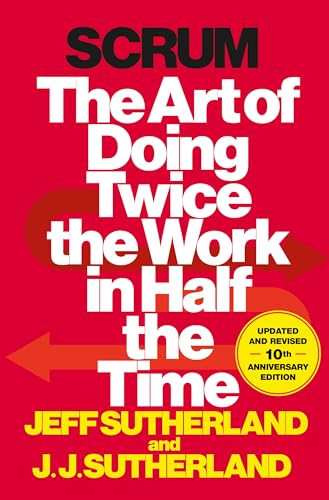
Scrum by Jeff Sutherland describes a team collaboration framework used in software development, where teams break work into goals for completion in time-boxed sprints.

Book links are Bookshop.org affiliate links. Curiate may earn a commission on purchases, at no extra cost to you — Bookshop.org also gives a share to independent bookshops.
Reading paths, built to arrive somewhere
Curiate turns what you are curious about into a short path — a quick lesson on an article, something to watch, and a book to go deep on. Free to browse.