How the fundamentals of astrophysics explain galaxies
The fundamentals of astrophysics means using physics and chemistry to study astronomical objects and phenomena, including the universe. The lessons answer how physics explains galaxies and the universe, helping readers understand how physical processes shape astronomical systems. They move through observational and theoretical approaches, galaxy formation and evolution, and the universe's contents and expansion.
3 articles, 1 book · about 3 hr of reading and viewing
The reading path
- Readthe fundamentals of astrophysics · Wikipedia · 17 min read
Spectrum is light decomposed into its component colors, where dark lines mark regions with less or no light. William Hyde Wollaston and Joseph von Fraunhofer independently found dark lines in the Sun's spectrum; by 1860, Gustav Kirchhoff and chemist Robert Bunsen showed that the lines matched bright lines from known gases, helping physics explain the Sun and stars. In the fundamentals of astrophysics, radio astronomy studies radiation with a wavelength greater than a few millimeters. Studying these waves requires very large radio telescopes. Theoretical astronomy uses mathematical and computational tools to model and predict the motions of astronomical objects. In astronomy curriculum, it is used in conjunction with observational techniques, and unpaired, the field would not be considered a science.
- ReadGalaxy Formation and Evolution. · pages.astro.umd.edu · 60+ min read
Initial and boundary conditions is the starting setup for how galaxies form and evolve. Galaxy formation and evolution involve these conditions and the physical processes that drive evolution, and can be thought of as an application of relatively well-known physics with cosmological conditions.
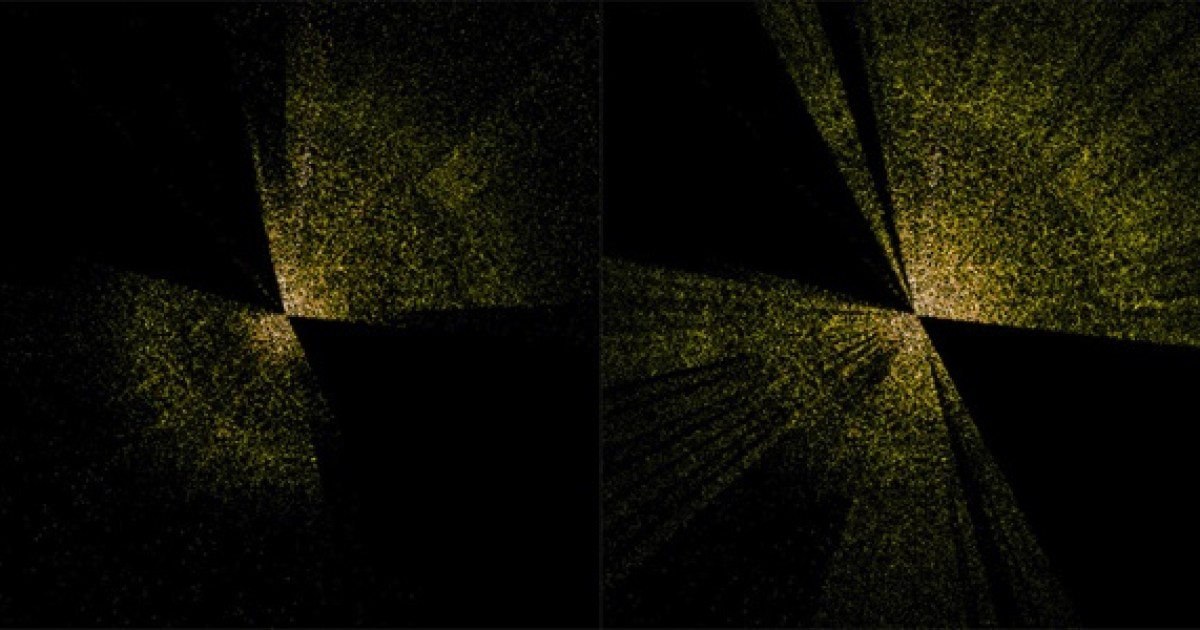
- ReadCharting the universe in 3D · Astronomy Magazine · 5 min read
In astrophysics, dark energy makes up about 69 percent of the universe, dark matter accounts for another 26 percent and visible, or normal, matter makes up 5 percent. As the universe expands, more dark energy pops into existence, driving its expansion even faster.
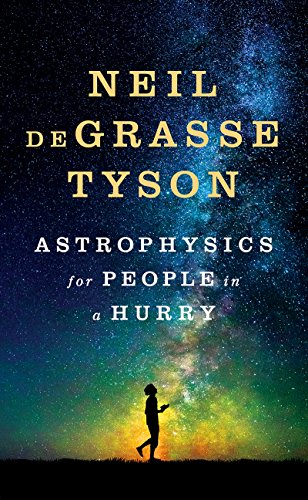
- BookAstrophysics for People in a Hurry · Bookshop.org
Astrophysics for People in a Hurry by Neil deGrasse Tyson is a collection of his essays from Natural History magazine, centering on basic questions about the universe.

Book links are Bookshop.org affiliate links. Curiate may earn a commission on purchases, at no extra cost to you — Bookshop.org also gives a share to independent bookshops.
Reading paths, built to arrive somewhere
Curiate turns what you are curious about into a short path — a quick lesson on an article, something to watch, and a book to go deep on. Free to browse.