How the representation of gender in media shapes norms
The representation of gender in media is how media portrayals reflect the social norms and values surrounding gender in modern society. The lessons answer how media representations construct gender norms, helping readers understand their influence on ideas about gender. They consider how these portrayals shape expectations and pressures across everyday life.
2 articles, 1 book · about 1 hr 19 min of reading and viewing
The reading path
- Readthe representation of gender in media · Wikipedia · 37 min read
Feminist critics began analyzing film in terms of the Bechdel test in the early 2000s. Named after Alison Bechdel, feminist cartoonist and creator of the long-running comic strip Dykes to Watch Out For, the test assesses whether a work of fiction features at least two named women who talk to each other about something other than a man. In the 1940s, companies began differentiating marketing by gender and creating separate product lines for boys and girls. The new gendered division of toys reinforced masculine and feminine ideals and a clear pink and blue divide.
- ReadGender and Media Representations: A Review of the Literature on Gender Stereotypes, Objectification and Sexualization - PMC · pmc.ncbi.nlm.nih.gov · 42 min read
Gender representations continue to develop throughout life as people take in information about women and men from direct and indirect observations, social contact, personal elaborations and cultural representations. Media is an important source of influence on these representations.
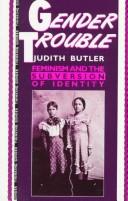
- BookGender Trouble · Bookshop.org
Gender Trouble by Judith Butler argues that gender is maintained, created or perpetuated through repeated ways of speaking and interacting, offering a perspective for considering how gender is represented in media.
Book links are Bookshop.org affiliate links. Curiate may earn a commission on purchases, at no extra cost to you — Bookshop.org also gives a share to independent bookshops.
Reading paths, built to arrive somewhere
Curiate turns what you are curious about into a short path — a quick lesson on an article, something to watch, and a book to go deep on. Free to browse.