How the Vietnam War protests shaped public opinion
The Vietnam War protests were demonstrations opposing United States involvement in the Vietnam War, reaching substantial scale in 1965 as the country's role escalated. How did protest and public opinion relate to the war, and what can we understand about their influence on calls for withdrawal? The lessons trace the connections between protest, public opinion, and the war.
2 articles, 1 book · about 1 hr 39 min of reading and viewing
The reading path
- Readthe vietnam war protests · Wikipedia · 60+ min read
The Gallup News Service began asking Americans in August 1965 whether it was a "mistake to send troops to Vietnam." At the time, 24% believed it was a mistake, while 60% believed the opposite. Protests began bringing attention to the draft on May 5, 1965. Student activists at the University of California, Berkeley marched on the Berkeley Draft Board, and forty students staged the first public draft-card burning in the United States. The Vietnam War protests included National Moratorium anti-war demonstrations across the United States on October 15, 1969. About 15 million Americans took part, making it the largest protest in a single day at that point in history.
- ReadFacts About the Vietnam War, Part III: Peace Marchers Didn't Turn U.S. Policy Around · War on the Rocks · 3 min read
In February and March 1968, New Hampshire voters told Johnson to "win or get out," while the "Wise Men" concluded that winning was unattainable. Both messages pointed in the same direction as the peace movement's call for a U.S. withdrawal from Vietnam, but it is misleading to give anti-war activists primary credit for either one.
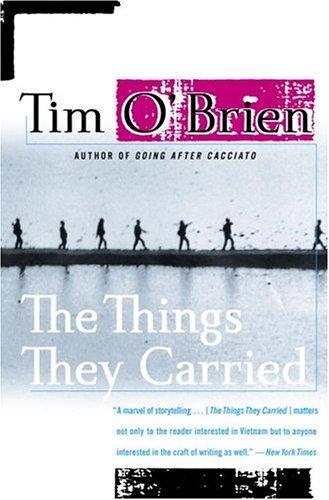
- BookThe Things They Carried · Bookshop.org
The Things They Carried by Tim O'Brien is an arc of fictional episodes in characters' childhoods, the jungles of Vietnam, and back home in America two decades later.


Book links are Bookshop.org affiliate links. Curiate may earn a commission on purchases, at no extra cost to you — Bookshop.org also gives a share to independent bookshops.
Reading paths, built to arrive somewhere
Curiate turns what you are curious about into a short path — a quick lesson on an article, something to watch, and a book to go deep on. Free to browse.