The Vietnam War through Vietnamese perspectives
The Vietnam War was an armed conflict in Vietnam, Laos, and Cambodia, fought from around 1955 between North Vietnam and South Vietnam and their allies. What can Vietnamese perspectives reveal about how the war is remembered and understood? The lessons consider whose experiences shape that memory and how competing accounts frame the conflict.
2 articles, 1 video, 1 book · about 2 hr 24 min of reading and viewing
The reading path
- Readthe vietnam war · Wikipedia · 60+ min read
The Geneva Accords of July 1954 brought a flawed peace to the Vietnam War: signed between the French and the Viet Minh, they ended the war between French and communist forces but did not resolve the conflict between the two internationally recognized Vietnamese regimes, temporarily partitioned at the 17th parallel. Several million Vietnamese women served in the military and militias, particularly in the Viet Cong, with the slogan "when war comes, even the women must fight" widely used. These women made vital contributions on the Ho Chi Minh Trail, in espionage, medical care, logistical and administrative work, and direct combat. The Vietnam War Crimes Working Group (VWCWG), established by a Pentagon task force in 1968 to ascertain the veracity of claims of US war crimes, found a factual basis in 320 reported incidents, according to sworn witness statements and status reports.
- ReadFacts About the Vietnam War, Part V: Bad Strategy, Bad Leadership Doomed South Vietnam as Much as the Curtailing of U.S. Aid · War on the Rocks · 3 min read
South Vietnam's final defeat came in just seven weeks after the March 1975 withdrawal turned into a chaotic rout. Blaming the defeat entirely on reduced U.S. aid was a convenient way for American and South Vietnamese leaders to fault Congress, a contested memory that obscured mistaken strategy and disastrously bad leadership.
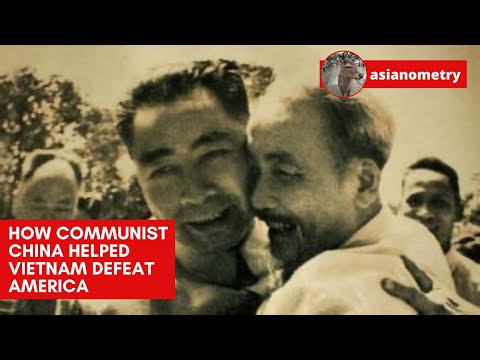
- WatchHow Communist China Helped Vietnam Defeat America · YouTube · 17 min watch
Communist China helped Vietnam during the war, and that support mattered to Vietnam's strategic goals.
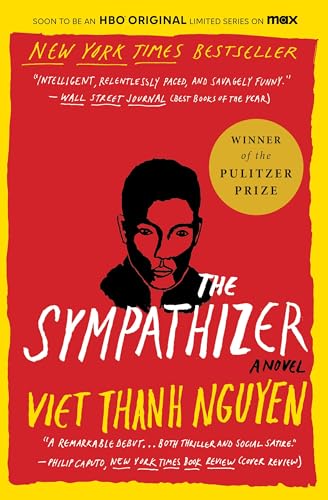
- BookThe Sympathizer · Bookshop.org
The Sympathizer by Viet Thanh Nguyen tells the story of a captain who helps a South Vietnamese general flee Saigon, then secretly reports on the group in Los Angeles to a higher-up in the Viet Cong. His divided loyalties and background offer a personal account of the war's upheaval.

Book links are Bookshop.org affiliate links. Curiate may earn a commission on purchases, at no extra cost to you — Bookshop.org also gives a share to independent bookshops.
Reading paths, built to arrive somewhere
Curiate turns what you are curious about into a short path — a quick lesson on an article, something to watch, and a book to go deep on. Free to browse.