How to cook hamburgers at home
The hamburger, often known as a burger, consists of fillings-usually a patty of panfried or grilled ground meat, typically beef-placed inside a sliced bun, sesame seed bun, or bread roll. How do homemade burgers differ from fast-food hamburgers, and how can you prepare the buns and patties? By the end, you'll understand how ingredients, preparation, and cooking choices shape a homemade hamburger.
3 articles, 1 book
The reading path
- ReadThe hamburger and how to cook it at home · Wikipedia
Homemade burger buns can be soft and pillowy yet sturdy enough to support a filling, and tangzhong-cooking some flour and liquid before mixing-makes buns tender and moist while helping them stay fresh longer. For standard-sized buns, use about 85g to 100g of dough each; spacing them 1" apart gives soft edges, while leaving at least 3" between them helps the edges turn golden brown.
- ReadHow to make hamburger buns · King Arthur Baking
Small chunks of fat "marbled" throughout ground meat produce pockets of moisture and flavor. The overall composition needs to be about 80% lean, 20% fat, and grinding meat fresh reduces bacterial colonization time and lets cooks control which muscles go into the burgers; shape patties loosely and season right before grilling.
- BookThe Food Lab · Bookshop.org
In the United States, patties served by major fast-food chains are usually mass-produced in factories and frozen for delivery, unlike thicker hamburgers prepared by hand from ground beef at home and conventional restaurants. Fast-food hamburgers are usually grilled on a flat top, while some establishments use gas flames; McDonald's Big Mac is one of the world's top-selling hamburgers, with an estimated 550 million sold annually in the United States.
- ReadHow to Make Juicy Burgers: Grind your Own Meat and Watch the Temp · ThermoWorks
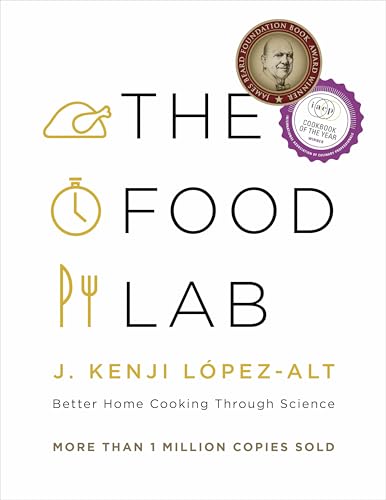
The Food Lab by J. Kenji López-Alt describes the science behind beloved American dishes, including how heat, energy, and molecules interact. López-Alt argues that home cooks can often get better results with new, but simple, techniques for cooking at home.



Book links are Bookshop.org affiliate links. Curiate may earn a commission on purchases, at no extra cost to you — Bookshop.org also gives a share to independent bookshops.
Reading paths, built to arrive somewhere
Curiate turns what you are curious about into a short path — a quick lesson on an article, something to watch, and a book to go deep on. Free to browse.