How to test scalable business models
Scalable business models describe how a business creates, delivers, and captures value, and how it conducts itself, spends, and earns money to generate profit. The lessons explore platform and subscription models, collaborative business relationships, and the systems founders need to anticipate bottlenecks and handle growth.
2 articles, 1 book · about 32 min of reading and viewing
The reading path
- Readscalable business models · Wikipedia · 28 min read
A successful platform business model has three elements. Its toolbox creates connection by making it easy for others to plug into the platform. The University of Tennessee conducted research into highly collaborative business relationships. Researchers codified their research into Vested Outsourcing, a hybrid sourcing business model in which buyers and suppliers focus on shared values and goals to create a highly collaborative, mutually beneficial arrangement.
- ReadScalability: True Meaning for Businesses · First Round Review · 4 min read
Scalable business models need systems that can handle growth: lagging response time, sharp spikes in number of users and system dependencies can signal that systems aren't built for scale. Without tools to manage growth, scalability becomes reactive instead of proactive.
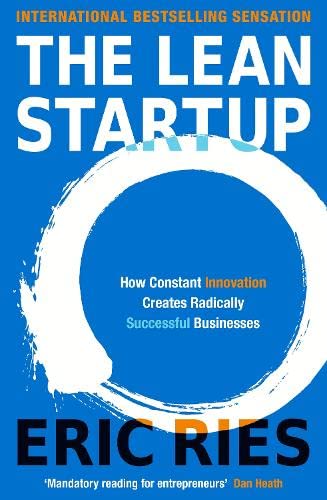
- BookThe Lean Startup · Bookshop.org
The Lean Startup by Eric Ries describes how startups can use validated learning, rapid scientific experimentation, and customer feedback to discover a sustainable business path, measure progress, and adjust plans as they test their vision.

Book links are Bookshop.org affiliate links. Curiate may earn a commission on purchases, at no extra cost to you — Bookshop.org also gives a share to independent bookshops.
Reading paths, built to arrive somewhere
Curiate turns what you are curious about into a short path — a quick lesson on an article, something to watch, and a book to go deep on. Free to browse.