How virtue ethics shapes moral character
Virtue ethics is a theory of right and wrong that prioritizes developing good moral character and habits. The lessons answer how virtues shape sound judgment and the right engagement of emotions, and help readers understand the challenges of applying this approach across varied moral communities.
3 articles, 1 video, 1 book · about 1 hr 56 min of reading and viewing
The reading path
- Read"Virtue Ethics" · plato.stanford.edu · 59 min read
Virtue ethics distinguishes hardship caused by circumstances from hardship caused by character: restoring a purse while poor is admirable, but the temptation to keep what is not hers reflects an imperfection in character.
- Read"Virtue Ethics" · iep.utm.edu · 31 min read
In 1958 Elisabeth Anscombe published "Modern Moral Philosophy" and criticized modern moral philosophy's preoccupation with a law conception of ethics, which deals exclusively with obligation and duty. Anscombe called for a return to concepts such as character, virtue and flourishing, helping shape virtue ethics.
- Readvirtue ethics · Wikipedia · 23 min read
Robert B. Louden criticizes virtue ethics for promoting unsustainable utopianism. He argues that contemporary societies contain "more ethnic, religious, and class groups than did the moral community which Aristotle theorized about," and each group has "not only its own interests but its own set of virtues as well".
- WatchNot all effort leads to character. Here's why. · YouTube · 3 min watch
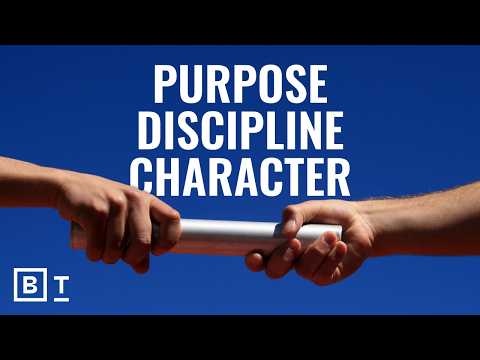
Psychologist Sarah Schnitker explains how studies of marathon runners fundraising for clean water found that pro-social and spiritual motivations, not just personal fitness goals, led to deeper growth in generosity, patience, and self-control. The research challenges the idea that self-improvement alone leads to virtue.
- BookAfter Virtue · Bookshop.org
After Virtue by Alasdair MacIntyre describes the historical causes of a crisis in moral description and the growing difficulty of formulating moral principles after the Enlightenment, then suggests ways out of moral philosophy's quagmire.
Book links are Bookshop.org affiliate links. Curiate may earn a commission on purchases, at no extra cost to you — Bookshop.org also gives a share to independent bookshops.
Reading paths, built to arrive somewhere
Curiate turns what you are curious about into a short path — a quick lesson on an article, something to watch, and a book to go deep on. Free to browse.