How weimar berlin faced political conflict
Weimar Berlin was the German state from 9 November 1918 to 23 March 1933, a constitutional republic for the first time in German history, informally named after the city where its constituent assembly met. How did this fragile republic hold together amid political conflict, and what pressures shaped its survival? The lessons trace the political, economic and social strains that tested the republic.
2 articles, 1 book · about 1 hr 27 min of reading and viewing
The reading path
- Readweimar berlin · Wikipedia · 60+ min read
In Weimar Berlin, Freikorps units under General von Lüttwitz occupied the government quarter in the March 1920 Kapp Putsch. The putsch quickly failed due in large part to the refusal of the ministerial bureaucracy to obey Kapp's orders. The Great Depression produced a severe economic shock in Germany in 1929, worsened by the European banking crisis of 1931. During the Weimar Republic, American banks withdrew their line of credit to German companies, and conventional economic measures could not check the rapid rise in unemployment.
- ReadThe Weimar Republic: Gone But Not Forgotten - JSTOR Daily · JSTOR Daily · 3 min read
Weimar's disparate pieces held together for 14 years despite a demobilized army that became an army of the unemployed, runaway inflation, and harsh demands from the victorious powers. Political and cultural fragmentation even led to disagreement over the state's name.
- BookBerlin Alexanderplatz · Bookshop.org
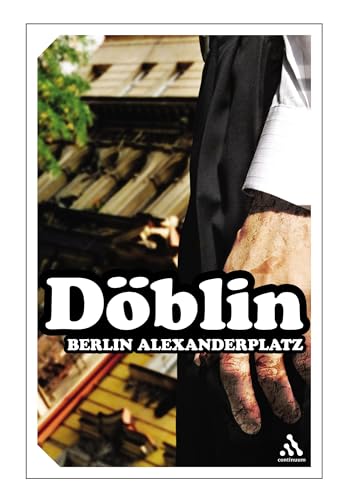
Berlin Alexanderplatz by Alfred Döblin depicts Franz Biberkopf trying to make an honest man of himself amid Weimar Berlin's lousy economy and frontier morality, as he hawks papers and gets caught up in criminal and political schemes; Döblin depicts modern life in violence, corruption, splendor, and horror.


Book links are Bookshop.org affiliate links. Curiate may earn a commission on purchases, at no extra cost to you — Bookshop.org also gives a share to independent bookshops.
Reading paths, built to arrive somewhere
Curiate turns what you are curious about into a short path — a quick lesson on an article, something to watch, and a book to go deep on. Free to browse.