Jane Austen and the writing of Pride and Prejudice
Jane Austen was an English writer born in 1775, known for novels that comment on the landed gentry and often examine women's dependence on marriage for status and security. How did a rejected draft become a beloved novel, and what can its path reveal about Austen's writing? The lessons follow its movement from early draft through rejection and eventual publication.
2 articles, 1 video, 1 book · about 1 hr 18 min of reading and viewing
The reading path
- ReadJane Austen's life and the writing of Pride and Prejudice · Wikipedia · 58 min read
In 1796, Jane Austen began First Impressions, later published as Pride and Prejudice, and completed its initial draft in August 1797. Her father's attempt to publish it was rejected by Thomas Cadell, who marked his letter "Declined by Return of Post". For Jane Austen's writing of Pride and Prejudice, Austen sold the copyright, receiving a one-time payment from the publisher for the manuscript.
- ReadJane Austen's 'Pride and Prejudice' Was Initially Rejected by a Publisher. It Later Became One of the World's Most Beloved Novels · Smithsonian Magazine · 8 min read
Jane Austen's Sense and Sensibility, her first published novel, was credited simply to an anonymous "Lady" and was successful enough for Egerton to agree to publish Pride and Prejudice, this time at his expense. Pride and Prejudice was published on January 28, 1813, with the attribution "By the author of Sense and Sensibility."
- WatchPride and Prejudice, Part 1: Crash Course Literature 411 · YouTube · 12 min watch
John Green talks about Pride and Prejudice as a product of Regency England, gives a short biographical look at author Jane Austen, and familiarizes viewers with the web of human connections the book spins.
- BookPride and Prejudice · Bookshop.org
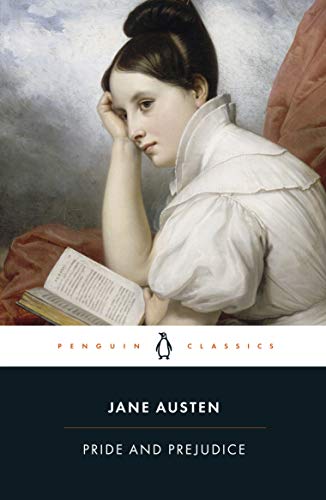
Pride and Prejudice by Jane Austen follows the romantic clash between opinionated Elizabeth and proud Mr. Darcy, with flirtation and intrigue rendered through civilized sparring and wit. Its portrayal of a comedy of manners offers a way to consider Austen's writing through the novel's characters and social interactions.

Book links are Bookshop.org affiliate links. Curiate may earn a commission on purchases, at no extra cost to you — Bookshop.org also gives a share to independent bookshops.
Reading paths, built to arrive somewhere
Curiate turns what you are curious about into a short path — a quick lesson on an article, something to watch, and a book to go deep on. Free to browse.