Manikomycin: A Soil Bacterium's New Antibiotic
A soil bacterium known for one antibiotic also produces manikomycin, which targets a previously unexplored spot on the bacterial ribosome. What did researchers find, how did they test it, and what remains unknown?
5 articles, 1 video, 1 book
The reading path
- ReadAntimicrobial resistance · who.int
Antimicrobial resistance occurs when bacteria no longer respond to medicines, making infections difficult or impossible to treat. In 2023, about one in six laboratory-confirmed bacterial infections worldwide was resistant to antibiotics. Many antibiotics attack a few familiar weak spots on the bacterial ribosome, the cell's protein-making machine. Bacteria have developed broad defenses against attacks on those spots, and even newly discovered drugs aimed at the same targets may quickly face resistance.
- ReadMcMaster researcher's latest antibiotic discovery offers new way to kill drug-resistant bacteria · McMaster News
In the mid-1900s, scientists discovered that the soil bacterium Streptomyces rimosus produced oxytetracycline, an antibiotic. The bacterium and related species were later regarded as thoroughly explored sources of antibiotics. A team led by McMaster University researcher Gerry Wright, working with collaborators at the University of Illinois Chicago and the University of Hamburg, revisited soil-bacteria products.
- ReadNew antibiotic targets a hidden weak spot in drug-resistant bacteria · Earth.com
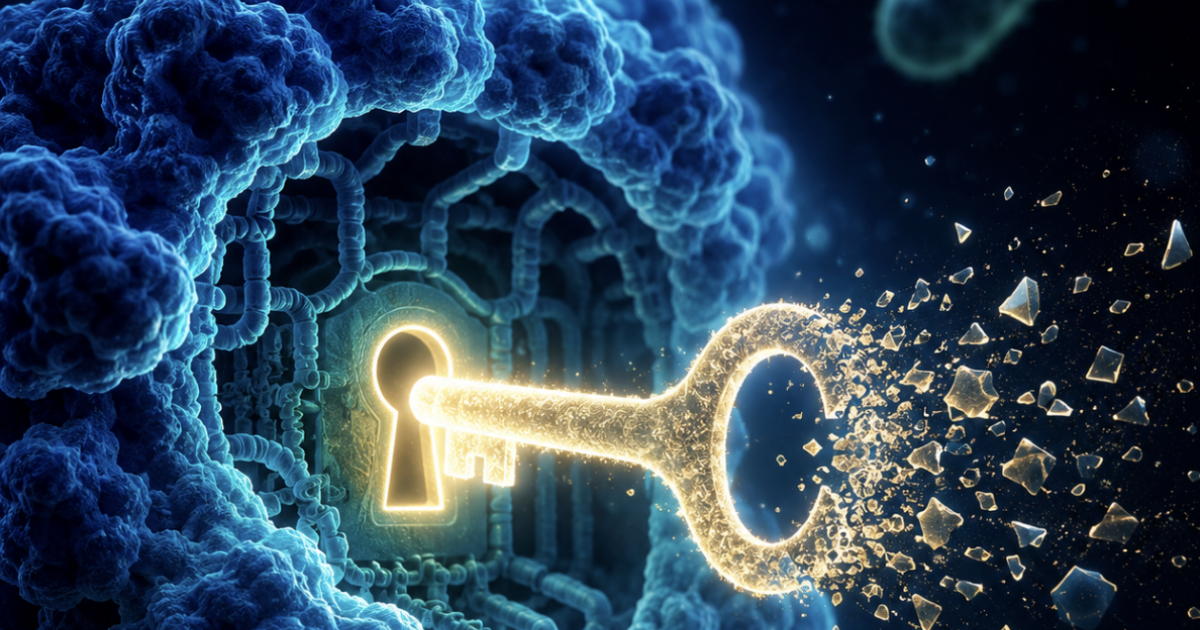
A ribosome is a tiny machine that builds proteins by joining small building blocks; molecules that deliver those blocks move through it and leave at the back. The ribosome has a large subunit, and its exit site is called the E-site. Manikomycin binds there and keeps the end of a tRNA—a molecule involved in protein production—from entering. The researchers describe it as the first antibacterial agent, to their knowledge, to target this site.
- ReadManikomycin: YouTube Sensation or Just An Overhyped Antibiotic? · American Council on Science and Health
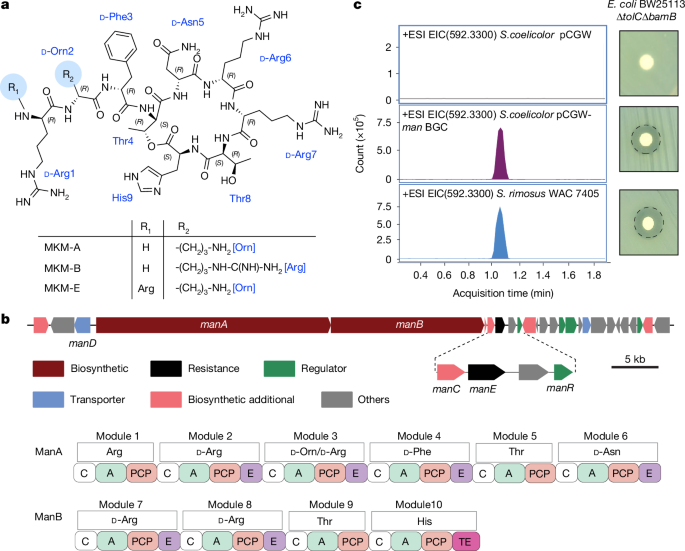
E. coli and Klebsiella pneumoniae are bacteria tested against manikomycin. The minimum inhibitory concentration, or MIC, is the lowest drug concentration that stops bacterial growth in a laboratory. Manikomycin's MIC was about 32 micrograms per milliliter for E. coli and 16 for K. pneumoniae. In human blood tested outside the body, it eradicated K. pneumoniae after six hours at five times the MIC. In infected roundworms, 55–60% survived to day six, versus 10–30% untreated. These were not tests in people.
- ReadA natural depsipeptide antibiotic binds the E-site of the bacterial ribosome - Nature · Nature
Alexander Mankin, a distinguished professor at the University of Illinois Chicago, said manikomycin is not ready for use as a medicine: it does not stay in the bloodstream long enough to efficiently kill bacteria in animals or people, and several things need improvement. In mice, its terminal half-life—the time for its blood level to fall by half—was about 36 minutes after one dose, and initial infection tests showed no benefit. Researchers have produced 60 derivatives and are working to improve how long the drug stays active.
- WatchWhat causes antibiotic resistance? - Kevin Wu · TED-Ed
An animated lesson on how antibiotics work, how bacteria evolve resistance, and how superbugs arise.
- BookMiracle Cure: The Creation of Antibiotics and the Birth of Modern Medicine · Bookshop.org
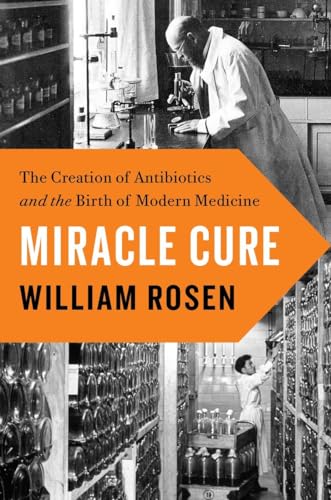
William Rosen's *Miracle Cure: The Creation of Antibiotics and the Birth of Modern Medicine* chronicles captivating accounts from the conception of the germ theory of disease. [Book evidence]


Book links are Bookshop.org affiliate links. Curiate may earn a commission on purchases, at no extra cost to you — Bookshop.org also gives a share to independent bookshops.
Reading paths, built to arrive somewhere
Curiate turns what you are curious about into a short path — a quick lesson on an article, something to watch, and a book to go deep on. Free to browse.