Retatrutide: What an 80-Week Trial Found
In one analysis, people taking the highest dose lost an average of 70.3 pounds over 80 weeks. What is retatrutide, what did its trials find, and what do the results leave unanswered?
5 articles, 1 video, 1 book
The reading path
- ReadTrial of next-gen weight-loss drug retatrutide shows users lose almost a third of their body weight · Scientific American
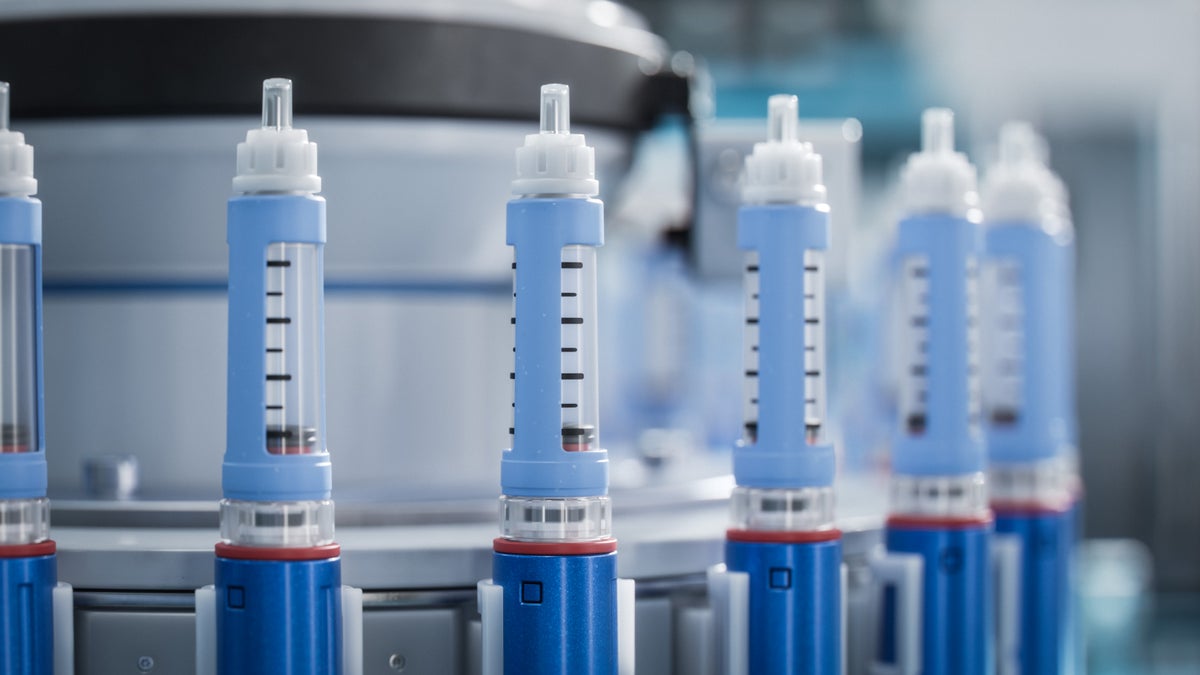
Retatrutide is an investigational medicine, meaning it is still being studied and is not approved for use. It activates three receptors—cell structures that respond to chemical signals—for GLP-1, GIP and glucagon. These are hormones, chemical messengers that help regulate appetite and other body processes. Semaglutide, the medicine in Wegovy, targets one of these receptors; tirzepatide, the medicine in Zepbound, targets two.
- ReadOzempic Rival Delivers 25% Weight Loss at Highest Dose in Phase 3 Trial · ScienceAlert
Before TRIUMPH-1, the large trial described next, a phase 2 trial—a middle stage of testing a medicine in people—found that participants taking the highest retatrutide dose lost an average of 24.2% of their starting weight after 48 weeks. That result showed substantial weight loss over about a year, but left open what might happen over a longer period.
- ReadTRIUMPH-1: Retatrutide Substantially Lowers Weight, BMI in Patients With Obesity or Overweight | HCPLive · hcplive.com
TRIUMPH-1 was a phase 3 trial, a large-scale test of a medicine's effects and safety. It included 2,339 adults with overweight or obesity and without diabetes, who were randomly assigned—placed into groups by chance—to weekly retatrutide at 4, 9 or 12 milligrams, or placebo, a treatment with no active drug. Treatment lasted 80 weeks. Participants began at 2 milligrams and increased their dose step by step every four weeks.
- ReadRetatrutide Delivers Bariatric-Level Weight Loss in Pivotal Phase 3 TRIUMPH-1 Trial | Pharmacy Times · pharmacytimes.com
At week 80, average weight loss was 19.0% with 4 milligrams, 25.9% with 9 milligrams and 28.3% with 12 milligrams. The 12-milligram group lost an average of 70.3 pounds; the placebo group lost 2.2% in one analysis. Another reported analysis gave averages of 17.6%, 23.7% and 25.0% for the three doses, versus 3.9% with placebo.
- ReadOzempic Rival Delivers 25% Weight Loss at Highest Dose in Phase 3 Trial · ScienceAlert
The most frequently reported side effects were gastrointestinal—meaning related to the stomach and intestines—and occurred mainly while doses were increasing. About 42% of people in the highest-dose group reported nausea. Side effects led 11.3% of people taking 12 milligrams to stop treatment, compared with 4.9% taking placebo.
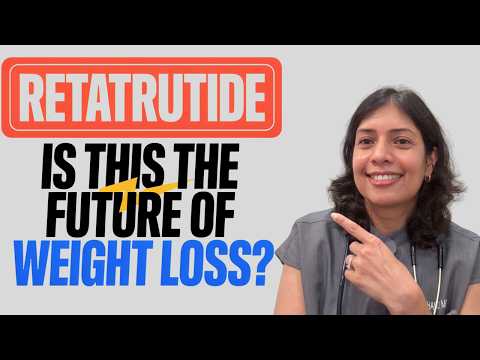
- WatchRetatrutide: The Most Anticipated Weight Loss Drug in Trials Right Now: Weight Loss Doctor Explains · Bazgha Khalid, MD
A weight-loss doctor explains retatrutide, the experimental drug drawing attention in clinical trials, and what its Phase 3 results showed.
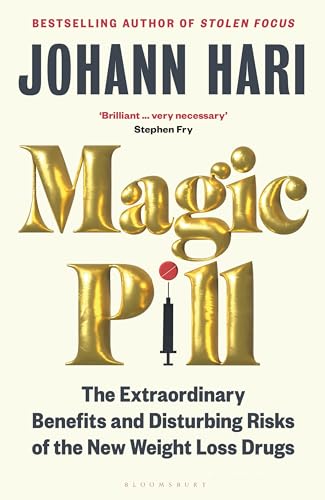
- BookMagic Pill: The Extraordinary Benefits and Disturbing Risks of the New Weight-Loss Drugs · Bookshop.org
Johann Hari's book, Magic Pill: The Extraordinary Benefits and Disturbing Risks of the New Weight-Loss Drugs, gives a brief history of earlier weight-loss drugs, many of which were eventually withdrawn over safety concerns, before tracing the history of GLP-1 medicines and the rise of Wegovy and Ozempic. [BOOK]


Book links are Bookshop.org affiliate links. Curiate may earn a commission on purchases, at no extra cost to you — Bookshop.org also gives a share to independent bookshops.
Reading paths, built to arrive somewhere
Curiate turns what you are curious about into a short path — a quick lesson on an article, something to watch, and a book to go deep on. Free to browse.