Motivation and emotion in goal-directed effort
Motivation and emotion is a complex phenomenon whose precise definition is disputed, studied in fields such as psychology, motivation science, neuroscience, and philosophy. How do feelings shape goal-directed effort? By the end, readers will understand how emotions, incentives, learned cues, and brain processes influence the goals people pursue and the effort they make.
2 articles, 1 book
The reading path
- Readmotivation and emotion · Wikipedia
When performance is worse than expected, a person may lower their goal and adjust their effort. Emotions also shape which goals people prioritize: positive emotions are associated with optimism about a goal's value and seeking positive outcomes, while negative emotions tend to lead to avoiding bad outcomes. A student who does homework to avoid parental punishment is extrinsically motivated, while someone who plays basketball at lunch for enjoyment is intrinsically motivated. Intrinsic motivation tends to come with stronger persistence, but a high monetary reward may decrease it, and the individual may be less likely to continue the activity when the reward disappears; this is not always the case. A person who associates having a certain type of food with a specific time of day may automatically feel motivated to eat it when that time arrives. The dopamine system helps learn how environmental cues relate to specific goals.
- ReadCan't Get Started on a Daunting Task? This Brain Circuit That Slams the Brakes on Motivation Might Be to Blame · Smithsonian Magazine
When a water task also brought an unpleasant puff of air to the face, two macaques hesitated more than when water was the only reward. Suppressing a pathway between two brain regions made them more willing to start the unpleasant task, without changing their ability to judge rewards against punishments-evidence that feelings about a task can brake goal-directed effort.
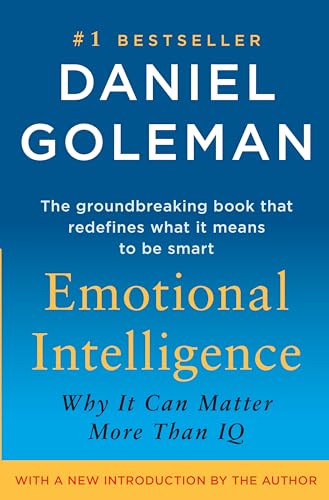
- BookEmotional Intelligence: Why It Can Matter More Than IQ · Bookshop.org
Emotional Intelligence by Daniel Goleman describes a new way to talk about being smart and argues that emotional literacy is not fixed early in life.


Book links are Bookshop.org affiliate links. Curiate may earn a commission on purchases, at no extra cost to you — Bookshop.org also gives a share to independent bookshops.
Reading paths, built to arrive somewhere
Curiate turns what you are curious about into a short path — a quick lesson on an article, something to watch, and a book to go deep on. Free to browse.