Psychological theories of motivation and the role of rewards
Psychological theories of motivation are conceptual frameworks that seek to explain motivational phenomena, including which internal factors motivate people and the cognitive, emotional, and decision-making processes that underlie human motivation. When can rewards support motivation, and when might they undermine it? By the end, readers will understand how different kinds of motivation and reasons for acting relate to learning, work, creativity, and commitment.
2 articles, 1 book
The reading path
- Readpsychological theories of motivation · Wikipedia
Intrinsic motivation means engaging in an activity for internal reasons, while extrinsic motivation means engaging for external reasons. A high monetary reward can decrease intrinsic motivation, making an individual may be less likely to continue the activity if it no longer results in an external reward; under the right circumstances, their combined effects can lead to higher performance. Students interested in the subject and learning experience itself are intrinsically motivated, while students seeking good grades or peer recognition are extrinsically motivated. Intrinsic motivation is often associated with deeper learning, better memory retention, and long-term commitment, while rewards and recognition also play a key role but can conflict with intrinsic motivation in some cases and may then hinder creativity. Herzberg, a motivation theorist, distinguishes workplace hygiene factors, such as salary and job security, from motivators such as responsibility, recognition, and growth. Salary and job security may not fully motivate workers if higher needs are unmet, while motivators are associated with job satisfaction, increased commitment, and creativity.
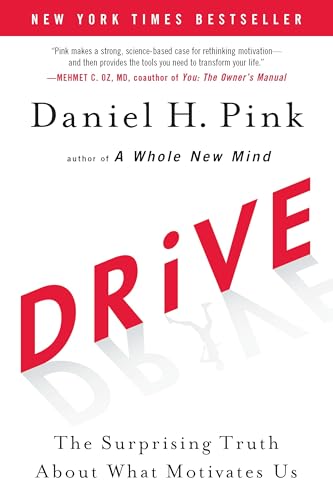
- BookDrive: The Surprising Truth About What Motivates Us · Bookshop.org
Self-Determination Theory distinguishes external rewards from more internalized reasons for doing an activity: external regulation is the least autonomous form, while identified regulation means a person has accepted an action's value as worthwhile and important. Integrated regulation is more autonomous still, but remains extrinsic motivation-even when fully internalized-because it rests on personal values and goals, not interest in the activity itself.
- ReadSpringer MRW: [AU:, IDX:] · selfdeterminationtheory.org
Drive by Daniel H. Pink argues that motivation can be understood through autonomy, mastery, and purpose-self-direction, getting better skilled, and doing meaningful work-and contrasts these with reward- and punishment-driven models.

Book links are Bookshop.org affiliate links. Curiate may earn a commission on purchases, at no extra cost to you — Bookshop.org also gives a share to independent bookshops.
Reading paths, built to arrive somewhere
Curiate turns what you are curious about into a short path — a quick lesson on an article, something to watch, and a book to go deep on. Free to browse.