Naturalists' journeys and discoveries in natural history
A 19th century naturalist studies natural history, observing organisms in their natural environment more than experimenting with them. What can the journeys and discoveries of naturalists help us understand about observing nature and making sense of the natural world? The lessons follow how naturalists' journeys connect close observation with the work of discovery.
2 articles, 1 book · about 17 min of reading and viewing
The reading path
- ReadAli: Alfred Russel Wallace's Right-Hand Gun - JSTOR Daily · JSTOR Daily · 3 min read
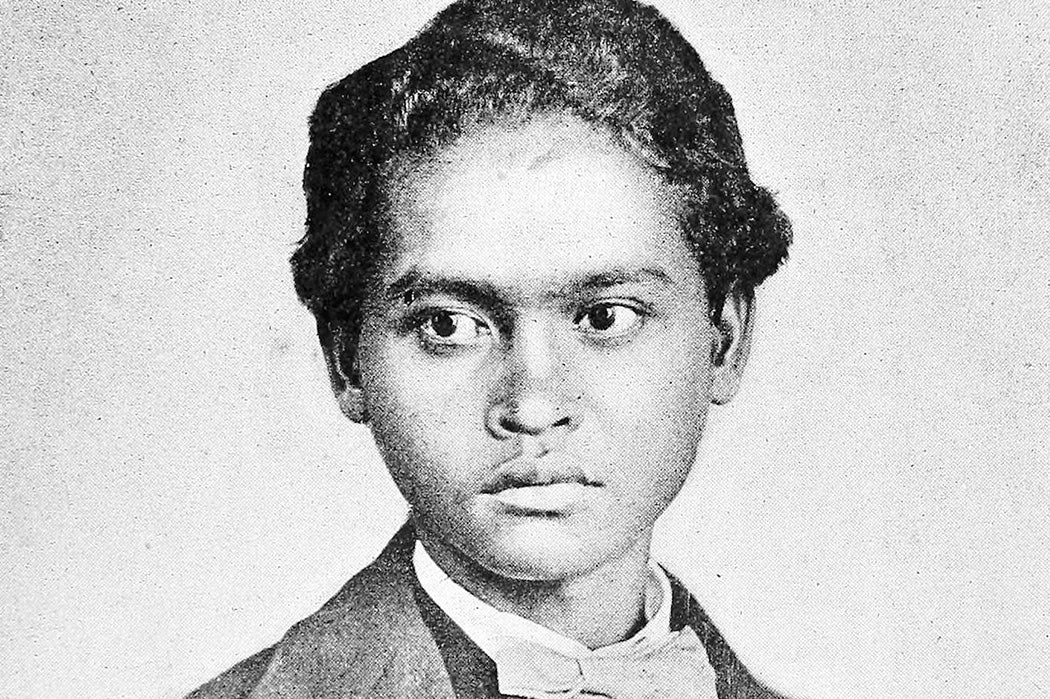
For 19th century naturalist Alfred Russel Wallace, Sarawak teenager Ali was initially hired as a servant and cook. For seven of the eight years between 1854 and 1862 that Wallace traveled around the Malay Archipelago, Ali collected most of the birds, approximately 5,000 of the total 8,000, in Wallace's collection of 125,000 natural history specimens. During 19th-century naturalist Alfred Russel Wallace's journeys, Ali and Wallace braved fevers, pirates, monsoon downpours, ant invasions, at least one tiger, giant snakes, and the threat of head-hunters. On Batchian, Ali shot an unknown bird-of-paradise species eventually named Semioptera wallacii, or Wallace's Standard Wing.
- Readthe life of a 19th century naturalist · Wikipedia · 14 min read
British colonies in tropical regions, with numerous new species to be discovered, spurred the growth of natural history societies. Many civil servants took an interest in their new surroundings, sending specimens back to museums in Britain.
- BookThe Naturalist · Bookshop.org
The Naturalist on the River Amazons by Diane Ackerman examines Henry Walter Bates's travels in the Amazon basin, where he and Alfred Russel Wallace made natural history collections, especially of insects. In the second edition's opening chapter, "Pará," Bates arrives in Belém and begins learning about the country's people and natural history.

Book links are Bookshop.org affiliate links. Curiate may earn a commission on purchases, at no extra cost to you — Bookshop.org also gives a share to independent bookshops.
Reading paths, built to arrive somewhere
Curiate turns what you are curious about into a short path — a quick lesson on an article, something to watch, and a book to go deep on. Free to browse.