Preventive medicine and public health action
Preventive medicine, or preventive healthcare, is the application of healthcare measures to prevent diseases. How can public action reduce disease and its effects? By the end, readers will understand how prevention can address risks through early detection, individual care, and broader population and health-system efforts.
2 articles, 1 book
The reading path
- Readpreventive medicine · Wikipedia
About 64% of child deaths were due to infections including diarrhea, pneumonia, and malaria. The World Health Organization judged interventions economically and operationally feasible based on healthcare resources and infrastructure in 42 nations contributing to 90% of infant and child deaths; its table estimates how many deaths could have been prevented in 2000 with universal healthcare coverage. Attributable burden of disease is the number of deaths linked to a particular risk factor. Exposure to long working hours was the occupational risk factor with the largest attributable burden of disease, with an estimated 745,000 fatalities from ischemic heart disease and stroke events in 2016.
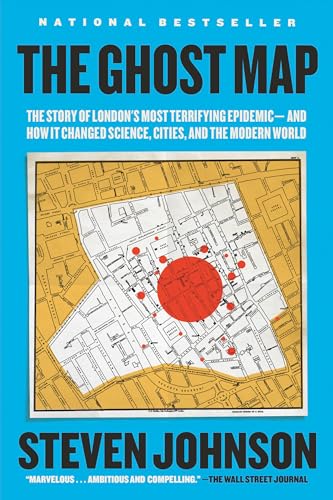
- BookThe Ghost Map: The Story of London's Most Terrifying Epidemic—and How It Changed Science, Cities, and the Modern World · Bookshop.org
Secondary prevention uses screening tests to identify early-stage disease, followed by disease management; for example, screening targets asymptomatic individuals at risk so treatment can begin early. Preventive efforts can also act across populations, communities, and systems, not just through individual care.
- ReadPreventive medicine - Knowledge @ AMBOSS · amboss.com
The Ghost Map by Steven Johnson describes how a physician and a local curate investigate a cholera outbreak in a rapidly expanding city without garbage removal, clean water, or sewers, and how examining the outbreak can help solve a medical riddle. Their investigation offers a concrete case of examining an outbreak to understand a medical problem.


Book links are Bookshop.org affiliate links. Curiate may earn a commission on purchases, at no extra cost to you — Bookshop.org also gives a share to independent bookshops.
Reading paths, built to arrive somewhere
Curiate turns what you are curious about into a short path — a quick lesson on an article, something to watch, and a book to go deep on. Free to browse.