Psychometric tests and assumptions about normality
Psychometrics is a field within psychology concerned with the theory and techniques of measurement, especially the objective measurement of traits that cannot be directly observed. What shapes the line between normality and abnormality in psychological testing, and how can you understand that line? The lessons consider how tests measure people and how assumptions about normality can affect their interpretation.
2 articles, 1 video, 1 book · about 36 min of reading and viewing
The reading path
- Readpsychometrics · Wikipedia · 21 min read
An early psychometric approach to measuring intelligence was a test developed in France by Alfred Binet and Theodore Simon. Lewis Terman of Stanford University adapted the French test for use in the U.S. and named it the Stanford-Binet IQ test. Psychometrics includes standards for test development, evaluation, and use, described in the 2014 revision of the Standards for Educational and Psychological Testing published by AERA, APA, and NCME. The Standards cover validity, reliability/errors of measurement, and fairness in testing.
- ReadPersonality Assessment | Intro to Psychology Class Notes | Fiveable · Fiveable · 4 min read
The Minnesota Multiphasic Personality Inventory (MMPI), a self-report personality test in clinical psychology, uses true/false items to assess personality traits and psychopathology. It can help diagnose mental disorders, plan treatment, and track progress over time.
- WatchBrains vs. Bias: Crash Course Psychology #24 · YouTube · 11 min watch
Hank examines WAIS and WISC intelligence tests, including how bias can affect their results and usefulness.
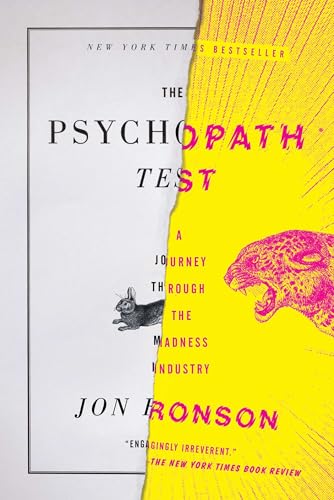
- BookThe Psychopath Test: A Journey Through the Madness Industry · Bookshop.org
The Psychopath Test by Jon Ronson argues that people are increasingly defined by their maddest edges, raising questions about how personality judgments are made.


Book links are Bookshop.org affiliate links. Curiate may earn a commission on purchases, at no extra cost to you — Bookshop.org also gives a share to independent bookshops.
Reading paths, built to arrive somewhere
Curiate turns what you are curious about into a short path — a quick lesson on an article, something to watch, and a book to go deep on. Free to browse.