Psychometrics, personality tests, and score reliability
Psychometrics is a field of study within psychology concerned with the theory and technique of measurement. How should we judge what psychological tests measure and how precisely they do so? By the end, readers will understand how test interpretation, measurement history, and the people being assessed shape what scores can tell us.
2 articles, 1 book
The reading path
- Readpsychometrics · Wikipedia
Reliability is the precision of scores from a psychological test. Reliability concerns scores in a particular sample, not a test across all uses: a reaction-time task that generates precise scores for teenagers may fail to do so for elderly adults who may be unfamiliar with its controllers, and a test that yields precise scores for respondents with no mental health problems may yield imprecise scores in samples of psychiatric patients.
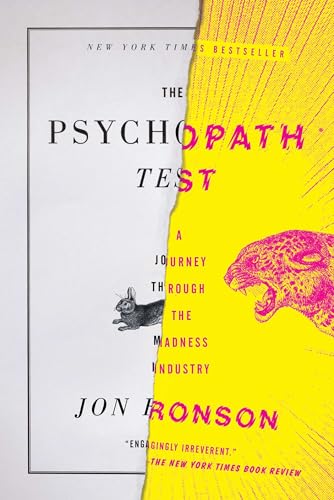
- BookThe Psychopath Test: A Journey Through the Madness Industry · Bookshop.org
The Myers-Briggs Type Indicator (MBTI) has been criticized for questionable validity, and a test is not valid unless interpreted and used as designed. Psychometric specialist Robert Hogan wrote that "Most personality psychologists regard the MBTI as little more than an elaborate Chinese fortune cookie." Galton, often referred to as "the father of psychometrics," devised and included mental tests among his anthropometric measures. James McKeen Cattell, a pioneer in the field of psychometrics, extended Galton's work and coined the term "mental test."
- ReadFoundations · academicweb.nd.edu
The Psychopath Test by Jon Ronson argues that people are increasingly defined by their maddest edges, raising questions about how personality judgments are made.

Book links are Bookshop.org affiliate links. Curiate may earn a commission on purchases, at no extra cost to you — Bookshop.org also gives a share to independent bookshops.
Reading paths, built to arrive somewhere
Curiate turns what you are curious about into a short path — a quick lesson on an article, something to watch, and a book to go deep on. Free to browse.