Economic inequality, measurement, taxes, and everyday effects
Economic inequality is an umbrella term for income, wealth, and consumption inequality, describing how money or wealth is distributed among people. How can inequality be measured, and how does it relate to taxes, growth, debt, and responses to downturns? By the end, readers will understand how unequal resources are measured and how they connect to economic conditions and people's choices.
2 articles, 1 video, 1 book
The reading path
- ReadEconomic inequality · Wikipedia
Economic inequality is reflected in the Gini coefficient: 0 means perfect equality, where all income or wealth values are the same. A coefficient of 1 (or 100%) means maximal inequality, where a single individual has all the income or wealth while all others have none. A progressive tax raises its rate as the taxable base amount increases. In a progressive tax system, the top tax rate often directly affects inequality, increasing or decreasing it if income does not change as a result of the tax-regime change. Statistical significance is a way to judge whether a result is unlikely to be due to chance. A 2016 meta-analysis of inequality and economic growth found that "the effect of inequality on growth is negative and more pronounced in less developed countries than in rich countries," but the average impact on growth was not statistically significant.
- ReadEconomic Inequality Seen As Rising, Boom Bypasses Poor · Pew Research Center
Economic inequality shows up in debt burdens: more than a third of people with annual family incomes of under $50,000 say they have more credit card and installment loan debt than they can afford, compared to just 7% of those with incomes of $100,000 or more. The middle and lower classes are also reeling from higher energy costs. Economic inequality shapes how people respond to a market downturn: people with lower incomes, who don't have stock portfolios, have put off vacations and delayed major purchases including new homes or home improvements. The finding comes from a Pew Research Center survey of 1,200 adults.
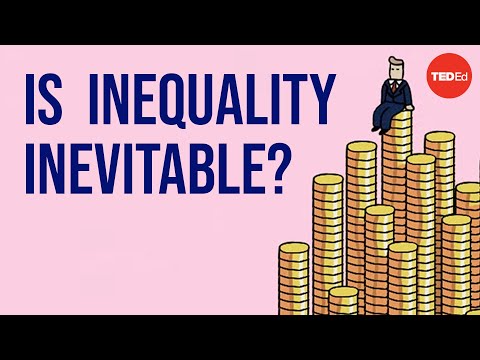
- WatchIs inequality inevitable? · YouTube
The video explores how economic inequality can be measured and how it is impacted by different governmental policy choices.
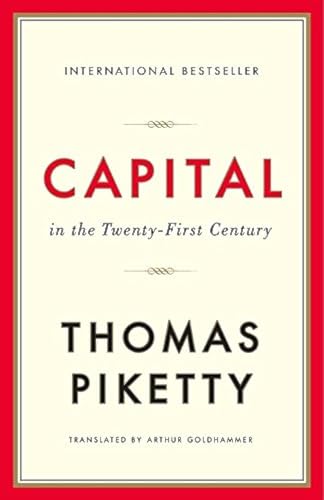
- BookCapital in the Twenty-First Century · Bookshop.org
Capital in the Twenty-First Century by Thomas Piketty analyzes data from twenty countries reaching back to the eighteenth century to examine patterns in wealth and inequality. Piketty argues that postwar optimism overstated how much the deep structures of capital and inequality had changed.

Book links are Bookshop.org affiliate links. Curiate may earn a commission on purchases, at no extra cost to you — Bookshop.org also gives a share to independent bookshops.
Reading paths, built to arrive somewhere
Curiate turns what you are curious about into a short path — a quick lesson on an article, something to watch, and a book to go deep on. Free to browse.