Taxation principles and wealth distribution
Taxation principles concern mandatory charges governments impose to fund public spending or regulate economic activity, transferring wealth from households or businesses to government. The lessons answer how taxes distribute wealth and help readers understand who ultimately bears their costs. They consider how tax design, economic effects, and administrative choices shape that distribution.
2 articles, 1 book
The reading path
- Readtaxation principles · Wikipedia
A tax on employment paid by employers can ultimately affect employees, while a tax on wages in a town can affect property-owners there, at least in the long run. The reason is that the greatest share of a tax burden tends to fall on the part of a transaction least affected by a change in price, so the legal payer need not bear the cost. A fixed-amount lump-sum tax is regressive: as income rises, the tax takes a smaller percentage, while a progressive tax's effective rate increases with the amount taxed. These patterns show how tax design can distribute burdens differently across incomes. A free market trades too much of a good when its negative effects fall on others, not just its consumer. Pigovian taxes, such as a carbon tax on greenhouse gases, aim to make those causing above-average societal harm account for the costs, while raising revenue to address problems and lowering the overall tax burden for people who cause less harm.
- ReadTax Simplification: Issues and Options | Brookings · Brookings
Reliable estimates of the costs of compliance, administration, and enforcement of the income tax vary widely, in part due to inadequate data. The best estimate is that, in 1995, those costs ranged between $75 billion and $130 billion, or between 10 and 17 percent of revenues, and were distributed mainly to taxpayers in higher income groups.
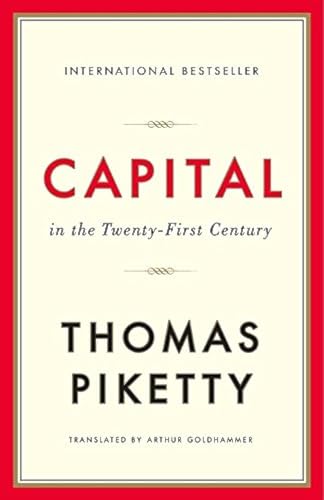
- BookCapital in the Twenty-First Century · Bookshop.org
Capital in the Twenty-First Century by Thomas Piketty analyzes data from twenty countries, reaching back to the eighteenth century, to trace patterns in inequality, wealth concentration, and economic growth. Piketty argues that political action has curbed dangerous inequalities in the past and may do so again.

Book links are Bookshop.org affiliate links. Curiate may earn a commission on purchases, at no extra cost to you — Bookshop.org also gives a share to independent bookshops.
Reading paths, built to arrive somewhere
Curiate turns what you are curious about into a short path — a quick lesson on an article, something to watch, and a book to go deep on. Free to browse.