Pumpkin pie was once layered with apples
In 1947, President Truman kept to a voluntary egg rationing campaign, and no pumpkin pie was served at the White House for Thanksgiving. By then the pie had changed a great deal: 17th-century English versions layered sliced pumpkin with apples, sugar and spices between two crusts.
2 articles, 1 book
The reading path
- ReadPumpkin pie · Wikipedia
In 1947, the Truman Administration discouraged pumpkin pies at Thanksgiving dinners in the United States as part of a voluntary egg rationing campaign, mainly because of the eggs in the recipe. President Truman kept to the campaign, and no pumpkin pie was served at the White House for Thanksgiving in 1947. Pumpkin pie set a world record in New Bremen, Ohio, at the New Bremen Pumpkinfest on September 25, 2010. The pie weighed 3,699 lb (1,678 kg) and measured 20 ft (6 m) in diameter. Pumpkin pies are often made from canned pumpkin purée. Libby's, the most popular brand, uses the Dickinson pumpkin variety of Cucurbita moschata solely, though other brands can include varieties of Cucurbita pepo or Cucurbita maxima.
- Read"A Brief History of Pumpkin Pie in America | Inside Adams: Science, Technology & Business" · blogs.loc.gov
English pumpkin pies in the 17th century often layered sliced, sometimes fried pumpkin with sugar, spices and apple slices, then baked the filling between two crusts.
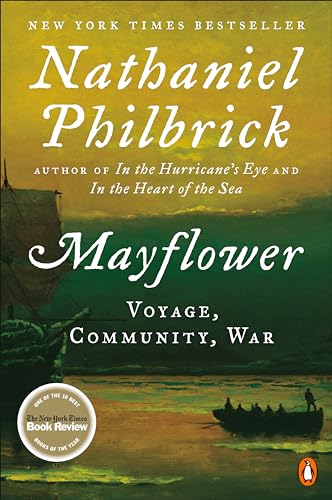
- BookMayflower: A Story of Courage, Community, and War · Bookshop.org
Mayflower by Nathaniel Philbrick provides historical context for Thanksgiving, the holiday associated with pumpkin pie.


Book links are Bookshop.org affiliate links. Curiate may earn a commission on purchases, at no extra cost to you — Bookshop.org also gives a share to independent bookshops.
Reading paths, built to arrive somewhere
Curiate turns what you are curious about into a short path — a quick lesson on an article, something to watch, and a book to go deep on. Free to browse.