Sam Bilton calls the mince pie ban a myth
Food historian Sam Bilton describes as a myth the claim that Puritan parliamentarians banned mince pies during the Interregnum. The Puritans did ban Christmas in 1647, along with Easter and Whitsun, but the ordinance banned no food. Mincemeat is a mixture of fruits, nuts, spices and a spirit, usually brandy, or vinegar.
2 articles, 1 book
The reading path
- ReadMince pie · Wikipedia
Some sources say the mince pie was banned by puritanical parliamentarians during the Interregnum (1649 to 1660), but food historian Sam Bilton, writing for English Heritage, describes the ban as a myth. Mince pie: in 1854, French chef Alexis Soyer provided the recipe made for Queen Victoria every year, which included 300 pounds (140 kg) of beef and 72 bottles of brandy. On Christmas Day 1666, the writer Samuel Pepys recorded that his wife had sat up till four that morning seeing her mayds make mince-pies, and that she was desirous to sleep.
- ReadMincemeat Pie History · What's Cooking America
Mince pie survived from a medieval tradition of spiced meat dishes, usually minced mutton, because of its association with Christmas. Mincemeat developed in England some 500 years ago as a way to preserve meat without salting or smoking.
- BookA Christmas Carol · Bookshop.org
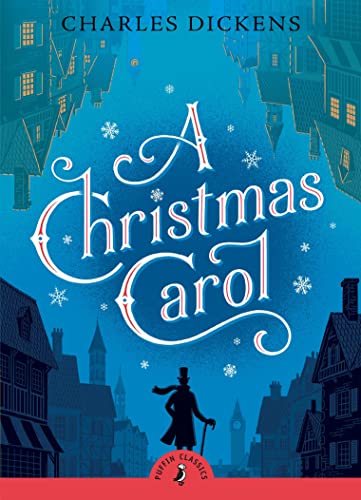
A Christmas Carol by Charles Dickens describes Scrooge's change from a bitter old man to someone who loves Christmas and the people around him, after three ghosts show him his past, present and future.


Book links are Bookshop.org affiliate links. Curiate may earn a commission on purchases, at no extra cost to you — Bookshop.org also gives a share to independent bookshops.
Reading paths, built to arrive somewhere
Curiate turns what you are curious about into a short path — a quick lesson on an article, something to watch, and a book to go deep on. Free to browse.