Role-playing beyond combat rules in the 1980s
The evolution of role-playing games in the 1980s is part of the history of tabletop role-playing games, which began in the 1970s when historical reenactment, improvisational theatre, parlour games, and fantasy wargame rulesets combined. Multiple TTRPGs were produced between the 1970s and early 1990s.
2 articles, 1 video, 1 book · about 39 min of reading and viewing
The reading path
- Readthe evolution of role-playing games in the 1980s · Wikipedia · 23 min read
Chaosium staff realized by the late 1970s that Steve Perrin's RuneQuest system could become the company's "house system," letting it use one set of game mechanics for multiple games. Greg Stafford and Lynn Willis proved this correct by slimming the RuneQuest rules down into the 16-page Basic Role-Playing (1980). Ars Magica (1988) emphasized characterization and storytelling over game mechanics and combat. Co-author Mark Rein-Hagen brought the game to White Wolf, Inc. and took the same approach in Vampire: The Masquerade (1991), whose gothic horror setting appealed to the growing goth subculture. Italian role-playing games included the completely narrative Holmes & Company (1987), a detective game with not even rules for combat, and On Stage! (1995), where players bid for control of each scene and take turns as game master.
- ReadWhen Dungeons & Dragons Cast Its Spell on 1980s America | HISTORY · HISTORY · 5 min read
Dungeons & Dragons was built on open-ended gameplay, unlike previous war games that reenacted real battles. Players collaborate in a collective adventure guided by a "dungeon master," who serves as both lead storyteller and referee.
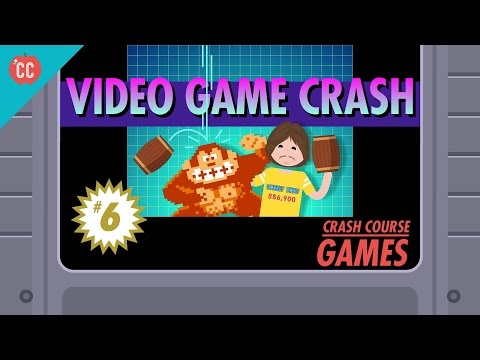
- WatchThe Video Game Crash of 1983: Crash Course Games #6 · YouTube · 11 min watch
The 1980s arcade boom gave way to home consoles and computers, which allowed deeper and longer games than a single quarter could buy on an arcade machine. The U.S. video game industry crashed in 1983.
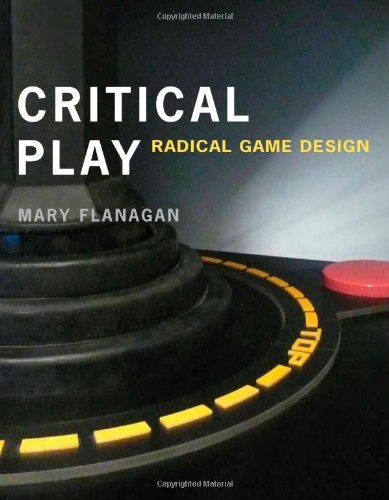
- BookCritical Play: Radical Game Design · Bookshop.org
Critical Play by Mary Flanagan examines how games reflect and shape society.


Book links are Bookshop.org affiliate links. Curiate may earn a commission on purchases, at no extra cost to you — Bookshop.org also gives a share to independent bookshops.
Reading paths, built to arrive somewhere
Curiate turns what you are curious about into a short path — a quick lesson on an article, something to watch, and a book to go deep on. Free to browse.