Russian nihilism and its revolt against inherited values
The Russian nihilist movement was a philosophical, cultural, and revolutionary movement in the Russian Empire during the late 19th and early 20th centuries, from which the broader philosophy of nihilism originated. How did rejecting inherited values reshape radical thought? By the end, readers will understand how social origins, cultural alienation, and competing ideas about change shaped the movement.
2 articles, 1 book
The reading path
- Readthe rise of nihilism in 19th century russia · Wikipedia
In 1862, Ivan Turgenev's novel Fathers and Sons popularized "nihilism" to describe the disillusionment of the generation of the 1860s with traditionalists and earlier progressive reformists. The novel's nihilist characters took up the name themselves, stating that negation was necessary and that they denied everything, and the movement very soon adopted the name. Nikolay Chernyshevsky, Nikolay Dobrolyubov, and Maxim Antonovich were sons of unaffluent priests before turning to atheist materialism, rejecting inherited religious and social values. Their backgrounds illustrate the connection often emphasized between raznochintsy, or educated commoners from lower-end families, and new radicals, in contrast to the dominance of aristocratic intellectuals in previous generations.
- BookDemons · Bookshop.org
Dmitri Pisarev, a critic at Russkoe slovo, helped make nihilists' alienation visible as they shed dress, conduct, and social relations previously shared with the gentry. Pisarev preferred "realists" or "new people"; these philosophical materialists wanted a more just social order, and he prioritized cultivating intellectuals and science, while the nihilists did not believe Russia was ready for action.
- ReadNihilists | Encyclopedia.com · encyclopedia.com
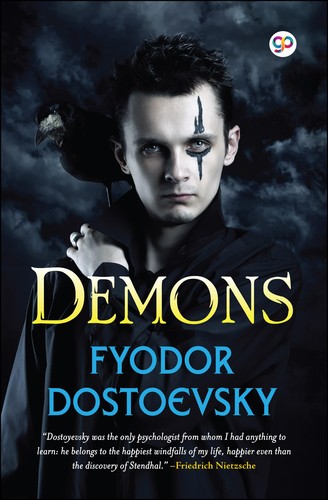
Demons by Fyodor Dostoevsky was conceived as a "novel-pamphlet" about the plague of materialist ideology Dostoevsky saw infecting his native land, inspired by a political murder that horrified Russians in 1869.

Book links are Bookshop.org affiliate links. Curiate may earn a commission on purchases, at no extra cost to you — Bookshop.org also gives a share to independent bookshops.
Reading paths, built to arrive somewhere
Curiate turns what you are curious about into a short path — a quick lesson on an article, something to watch, and a book to go deep on. Free to browse.