Saturnalia let slaves mock their owners
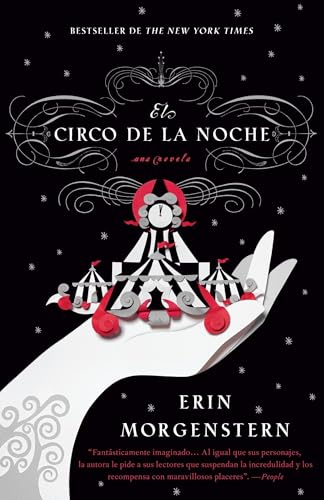
In some cases during Saturnalia, masters served enslaved people and let them mock their owners without consequence. How can festivals create shared worlds beyond daily routines and ordinary social roles? Saturnalia was an ancient Roman festival and holiday in honour of the god Saturn, held on 17 December in the Julian calendar and later expanded with festivities until 19 December. In The Night Circus by Erin Morgenstern, readers meet a wandering circus whose exhibitions gather crowds around shared spectacles, including illusionists, fortune-tellers, and attractions that defy reality.
2 articles, 1 book
The reading path
- ReadFrom Saturnalia to Coachella - JSTOR Daily · JSTOR Daily
Geographer Waldemar Cudny writes that festivals can be sacred or secular and, at least by most scholarly definitions, must be intense experiences outside daily routines that build social ties within a group.
- BookThe Night Circus · Bookshop.org
Saturnalia, a Roman festival, often suspended the social order: slaves often spoke openly, ate with their owners, and wore garments usually reserved for free men, including the conical pileus cap that symbolised liberty. In some cases, masters served them and let them mock their owners without consequence, creating a festive world beyond ordinary roles. Saturnalia, an ancient Roman festival in honour of the god Saturn, temporarily permitted gambling, usually forbidden, in many public spaces. People of all classes rolled dice, placed bets, and played board games in full view of others.
- ReadWhat was the Roman festival of Saturnalia and how is it linked to Christmas? · History Skills
The Night Circus by Erin Morgenstern describes a wandering circus whose exhibitions gather crowds around shared spectacles, including illusionists, fortune-tellers, and attractions that defy reality.


Book links are Bookshop.org affiliate links. Curiate may earn a commission on purchases, at no extra cost to you — Bookshop.org also gives a share to independent bookshops.
Reading paths, built to arrive somewhere
Curiate turns what you are curious about into a short path — a quick lesson on an article, something to watch, and a book to go deep on. Free to browse.