Science communication through stories and inclusive dialogue
Science communication connects science and society, often by informing non-experts about findings and engaging communities around societal problems. What helps build trust between science and the public, and how can communication invite people into meaningful exchange? The lessons consider human stories, inclusive participation and dialogue as ways to make scientific knowledge more relatable and credible.
3 articles, 1 book
The reading path
- Readscience communication · Wikipedia
Journalist Robert Krulwich says scientists should seize opportunities to explain their work through stories of their successes and struggles, helping the public see scientists as real people. He also advocates explaining that scientific views are hard-won knowledge, not mere opinions. Western scientists' "discoveries" may have been known to Indigenous scientists and communities for generations, continuing colonial exploitation of physical and intellectual resources. Inclusive science communication must involve marginalized communities in creating and sharing information, and use experts to identify each community's values, needs and communication style.
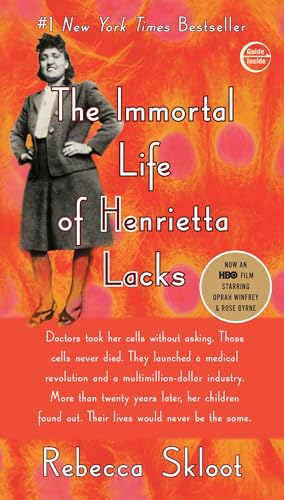
- BookThe Immortal Life of Henrietta Lacks · Bookshop.org
In an experiment with a US sample of 882, the results suggest that climate scientists' affective expressions and personal stories did not significantly diminish their credibility. The study also says that aligning the narrative with expressed affect can increase scientific credibility and climate engagement.
- ReadUvA-DARE is a service provided by the library of the University of Amsterdam (https://dare.uva.nl) · pure.uva.nl
Narratives can make science easier to follow by linking events through cause and effect, time and characters; they can appear as testimonials, case studies or eyewitness accounts. Compared with expository text, narrative text was read twice as fast and recalled twice as well, regardless of topic familiarity or interest. Their specific experiences can engage nonexperts, but their legitimacy rests on whether situations seem plausible, not simply on the accuracy of claims.
- ReadUsing narratives and storytelling to communicate science with nonexpert audiences - PMC · pmc.ncbi.nlm.nih.gov
The Immortal Life of Henrietta Lacks by Rebecca Skloot describes how Henrietta's cells were taken without her knowledge, her family was used in research without informed consent, and her family never saw profits from the multimillion-dollar industry selling human biological materials.

Book links are Bookshop.org affiliate links. Curiate may earn a commission on purchases, at no extra cost to you — Bookshop.org also gives a share to independent bookshops.
Reading paths, built to arrive somewhere
Curiate turns what you are curious about into a short path — a quick lesson on an article, something to watch, and a book to go deep on. Free to browse.