Sound design and cinematic atmosphere
The significance of sound design in movies is that sound design is the art and practice of creating auditory elements of media, employed in filmmaking and a variety of other disciplines. How do filmmakers choose and create sounds to shape a scene's atmosphere? By the end, you'll understand how sound choices and sound-making approaches contribute to atmosphere in performance and film.
2 articles, 1 book
The reading path
- Readthe significance of sound design in movies · Wikipedia
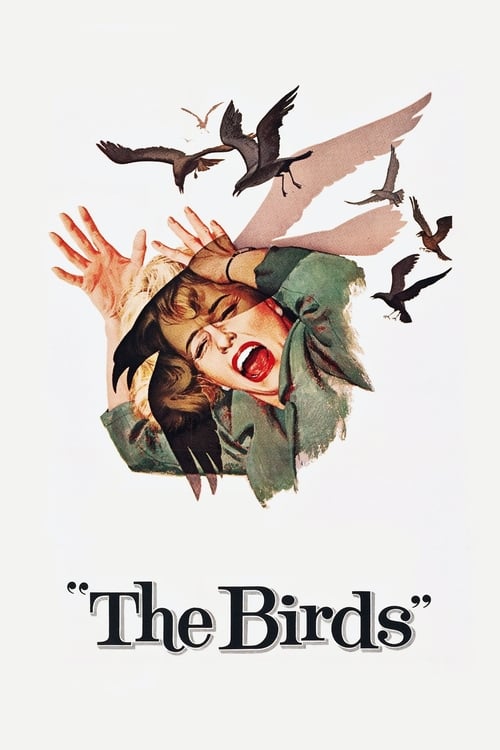
Oskar Sala, a German musician, generated hundreds of bird-sound variants with composer Remi Gassmann at a studio in Berlin. Bernard Herrmann, who had scored six previous Hitchcock films, served as "sound consultant," guiding the creation of the electronic soundscape on the Mixtur-Trautonium, an early electronic instrument.
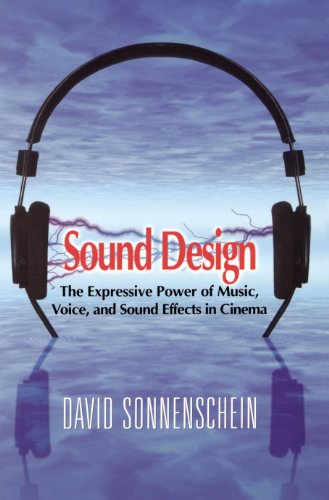
- BookSound Design: The Expressive Power of Music, Voice and Sound Effects in Cinema · Bookshop.org
The sound designer and director usually work together to "spot" cues, deciding when and where sound will be used. Some productions might use music only during scene changes, while a scene might be underscored with music, sound effects or abstract sounds between the two. Starting around 1913, Italian composer Luigi Russolo built mechanical sound-making devices called "intonarumori" to simulate natural and man-made sounds, such as trains or bombs, for futurist theatrical and music performances. Russolo's devices show how sound effects can help create atmosphere in performance.
- ReadThe Birds (1963), dir. Alfred Hitchcock — analysis, influences and similar films — Sightlines · sightlines.media
Sound Design by David Sonnenschein describes how the clash of light sabers in Star Wars, the chilling bass line in Jaws, and pleas to "phone home" in E. T. show different ways sound can contribute to a film's overall dramatic impact.
Book links are Bookshop.org affiliate links. Curiate may earn a commission on purchases, at no extra cost to you — Bookshop.org also gives a share to independent bookshops.
Reading paths, built to arrive somewhere
Curiate turns what you are curious about into a short path — a quick lesson on an article, something to watch, and a book to go deep on. Free to browse.