Stoicism
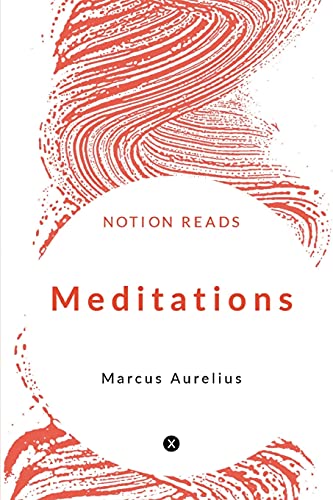
Stoics held that virtue alone is real good, sufficient for happiness and independent of luck. How did they reason toward the view that a virtuous life can be enough, even when fortune turns against a person? Meditations by Marcus Aurelius records his private reflections on Stoic philosophy, including finding one's place in the universe and controlling emotions.
3 articles, 1 book
The reading path
- Read"Stoic Ethics" · iep.utm.edu
After manumission, his formal emancipation from slavery, Epictetus began to teach philosophy, having studied Stoic philosophy, which emphasizes self-discipline and accepting what happens, under Musonius Rufus, a philosopher. Epictetus taught that philosophy is a way of life, not simply a theoretical discipline.
- BookMeditations · Bookshop.org
Marcus Aurelius, the Roman emperor and philosopher, became deeply interested in philosophy, particularly Stoicism, a philosophical movement and practical guide to living that emphasizes daily self-discipline and moral improvement. Stoicism emphasizes inner strength and accepting what lies beyond one's control, and Marcus Aurelius believed happiness could be found through virtue and being guided by reason. In the second-century A.D., Emperor Marcus Aurelius faced a great plague and a long and bloody war against Germanic tribes along the Danube frontier, as well as old age and thoughts of death. He sought comfort in philosophy and jotted down his personal struggles and beliefs, including during the military campaign, as he reasoned toward a better life and a better ruler.
- ReadEpictetus · Wikipedia
The Stoics defined life's goal as "living in agreement with nature." They held that humans, unlike other animals, develop reason as adults, helping them understand their true good and reason toward virtue, which they said is the only real good and sufficient for happiness, independent of luck.
- ReadWhat were Marcus Aurelius' rules for life? · National Geographic
Meditations by Marcus Aurelius records his private reflections on Stoic philosophy, including finding one's place in the universe and controlling emotions.


Book links are Bookshop.org affiliate links. Curiate may earn a commission on purchases, at no extra cost to you — Bookshop.org also gives a share to independent bookshops.
Reading paths, built to arrive somewhere
Curiate turns what you are curious about into a short path — a quick lesson on an article, something to watch, and a book to go deep on. Free to browse.