Super-agers: 80-year-olds with 50-year-old memories
Some people over 80 remember as well as an average 50- to 60-year-old. A 2026 study found their brains hold about twice as many young neurons as their peers'. What makes super-agers different, and what does the new finding really tell us?
6 articles, 1 video, 1 book
The reading path
- ReadAging against the odds · The University of Chicago Magazine
In 2008, neuroscientist Emily Rogalski defined super-agers as people over 80 whose memory performs at least as well as an average 50- to 60-year-old's. It is a high bar: fewer than 10 percent of healthy people in their 80s and 90s who said they had sharp memories scored well enough on cognitive tests to qualify for her first studies.
- ReadSuperAger Brains Yield New Clues to Their Remarkable Memories · news.northwestern.edu
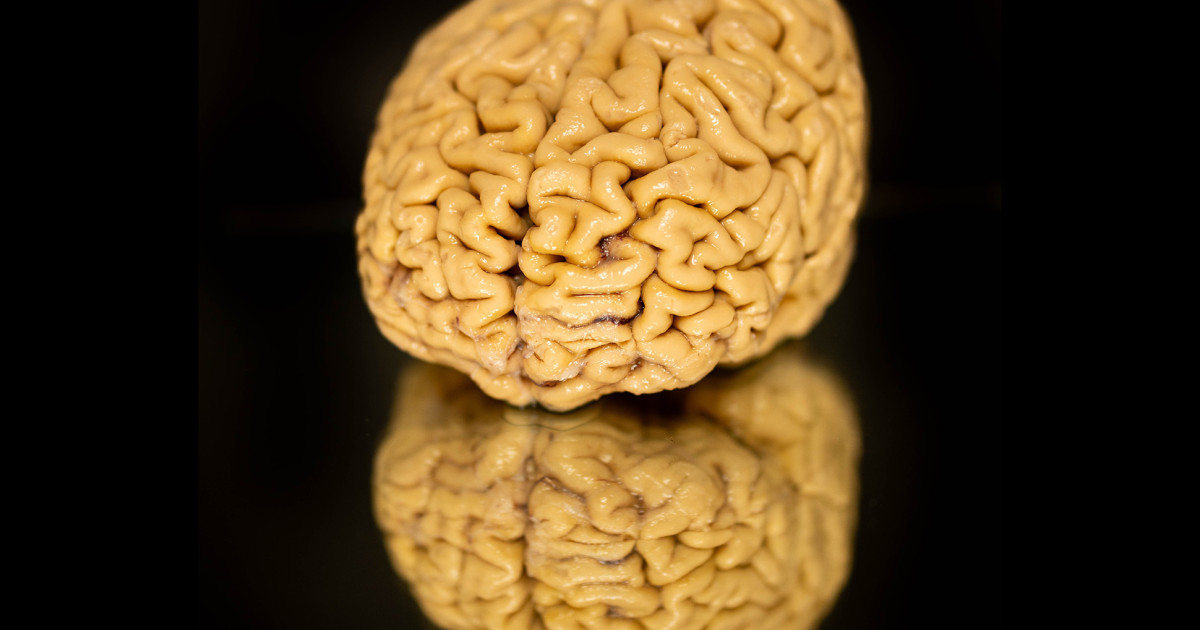
Northwestern researchers who compared super-agers with normal people their age found a common signature: a thicker region of the cortex, far fewer tangles (a primary marker of Alzheimer's disease), and three to five times as many von Economo neurons, a cell type linked to social intelligence. Their brains also shrink far less over time. "This was a big surprise," Rogalski said, "that despite being 80 plus years old, they could have very youthful looking brains."
- ReadAging against the odds · The University of Chicago Magazine
Super-agers' diets, exercise habits and lifestyles vary widely, but most report strong, engaged relationships, and they tend to go with the flow and stay open to new experiences. Rogalski is careful about what that means: "It's not as simple as saying if you have a strong social network, you'll never get Alzheimer's disease," though keeping one "may be an important one" on the list of healthy choices.
- ReadControversial study challenges scientific consensus that adult brains make new neurons · STAT
No one can watch a living human brain make new neurons, so scientists rely on proxies in donated brains, and in 2018 two teams reached opposite answers. A UCSF team "couldn't find a single new neuron" in adult brains. A Columbia team studying brains from 28 donors aged 14 to 79 expected new neurons to decline with age. "It didn't." Small differences in method, such as how brains are preserved or how neurons are counted, can change the result.
- ReadAs SuperAgers age, they make at least twice as many new neurons as their peers · news.northwestern.edu
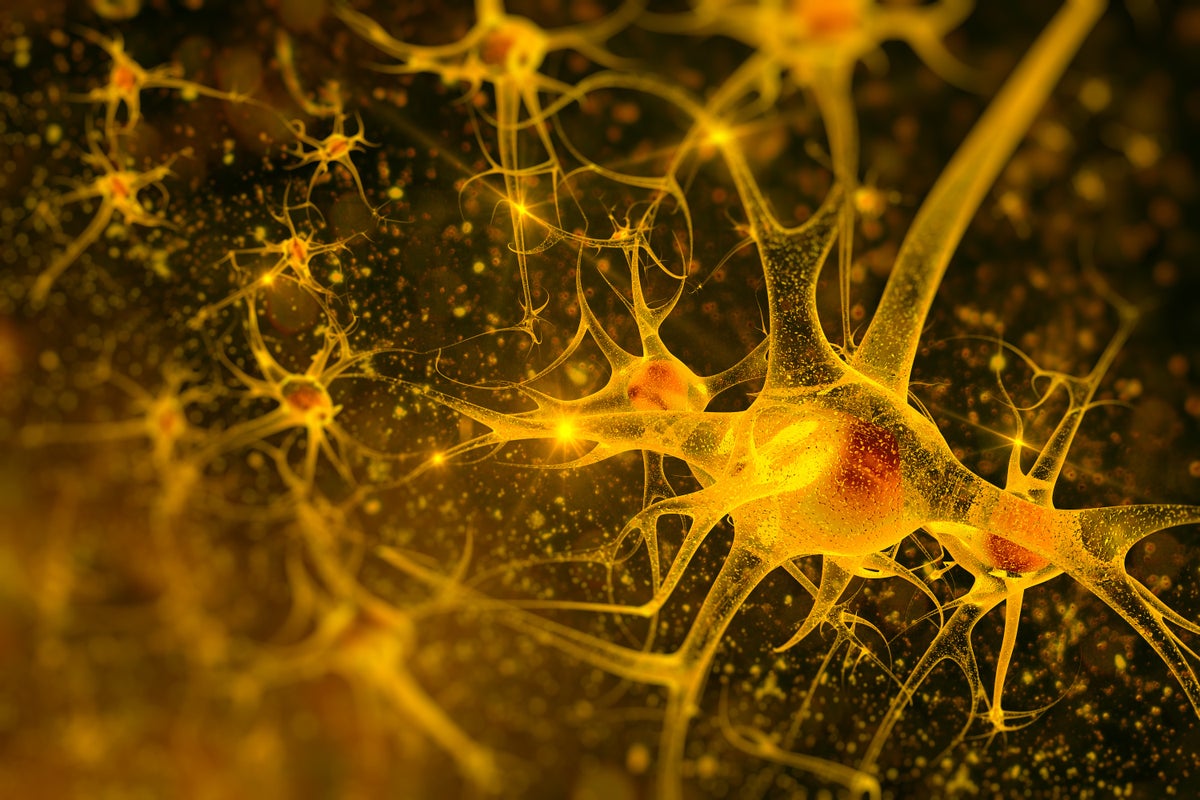
A team led by the University of Illinois Chicago examined nearly 356,000 individual cell nuclei from donated hippocampi, the brain's memory hub, with a technique that reads both gene activity and which parts of the DNA are open. That let them tell early-stage cells, immature neurons and mature neurons apart. Super-agers had twice as many immature neurons as healthy older adults, and two and a half times as many as people with Alzheimer's. Even so, the new neurons made up only about 0.01% of those in the hippocampus.
- Read'Super agers' with great memory have more young brain cells · Scientific American
The groups were small, so not every finding was statistically significant. The study "at least associates" exceptional memory after 80 with more immature neurons, as neuroscientist Eva Feldman put it, but it doesn't show the new cells cause the better memory, or what they do. "What we need is functional validation of these cells," one researcher says, which would take imaging sensitive enough to see them working in a living brain.
- WatchUnlocking The Secrets Of 'SuperAgers', with Emily Rogalski · The University of Chicago
Neurologist Emily Rogalski explains what makes SuperAgers' brains different and how lifestyle choices may relate to a sharper brain in old age.
- BookRemember: The Science of Memory and the Art of Forgetting · Bookshop.org
A neuroscientist's tour of how memory works and fails, including how every memory passes through encoding, consolidation and storage in the hippocampus, the region the 2026 study looked at.





Book links are Bookshop.org affiliate links. Curiate may earn a commission on purchases, at no extra cost to you — Bookshop.org also gives a share to independent bookshops.
Reading paths, built to arrive somewhere
Curiate turns what you are curious about into a short path — a quick lesson on an article, something to watch, and a book to go deep on. Free to browse.