Textile science from fibres to functional fabrics
Textile science concerns fibre-based materials and how each part of a textile product, from fibre and yarn to fabric, processing, and finishing, affects the final product. How does textile craft become engineered function, and what can readers understand about the choices and processes that shape textiles? The lessons trace this shift through material properties, construction, and functional design.
2 articles, 1 book
The reading path
- Readtextile science · Wikipedia
Cotton is soft, moisture-absorbent, breathable, and renowned for long durability, helping explain its long history in clothing. Textile properties shape aesthetics, durability, comfort, and cost, while synthetic fibres can have their diameter, cross section, and colour altered during production-showing how fibre characteristics connect textile craft with engineered function. Cotton-polyester clothing can be more durable and easier to maintain than clothing made solely from cotton. Blending different fibres lets manufacturers combine desired traits and overcome disadvantages of single-fibre properties, while the final composition determines the product's properties. Eisengarn, meaning "iron yarn" in English, becomes lustrous, tear-resistant and extremely hardwearing when cotton threads are soaked in starch and paraffin wax, then stretched and polished by steel rollers and brushes. This 19th-century example shows how finishing turns a material into an engineered textile with specific functional properties.
- ReadHarvard scientists turn knitting into shape-shifting smart fabric · ScienceDaily
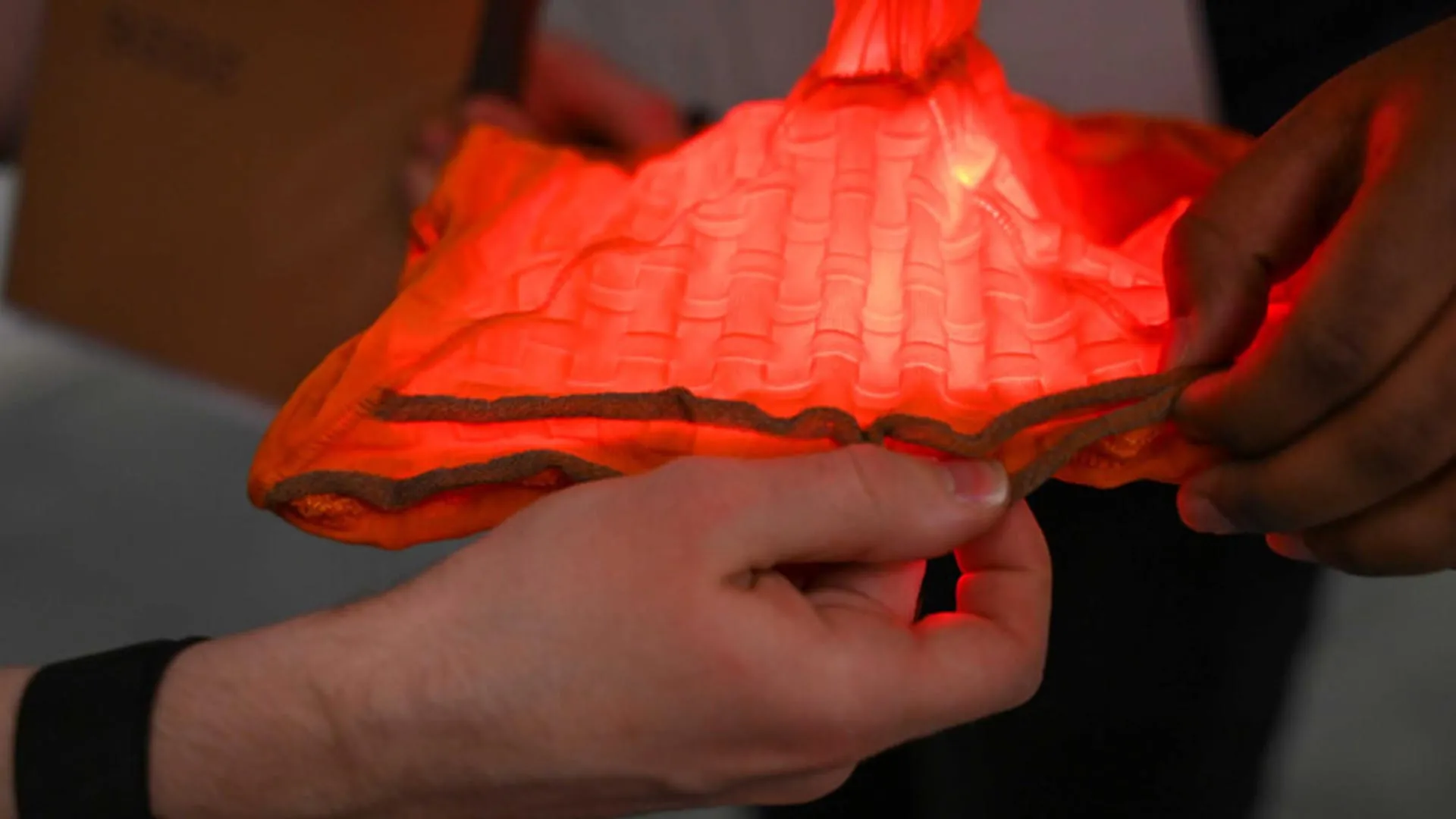
A knitting machine can make thick, curved textiles from elastic yarns, and conductive yarn can turn them into switches that change electrical state when the fabric snaps between stable shapes. A wearable switch over a knee or elbow detects the snap as the joint bends, allowing an Arduino to count steps-showing how familiar knitting can engineer movement-sensing function.
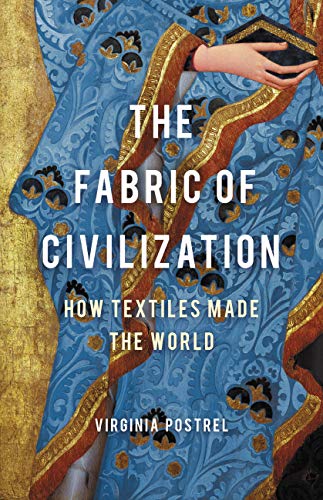
- BookThe Fabric of Civilization: How Textiles Made the World · Bookshop.org
The Fabric of Civilization by Virginia Postrel argues that coloring and finishing cloth are linked to chemistry, weaving to binary code and perhaps all of mathematics, and selective breeding for fibers to agriculture. These connections show how textile science reaches into other fields.

Book links are Bookshop.org affiliate links. Curiate may earn a commission on purchases, at no extra cost to you — Bookshop.org also gives a share to independent bookshops.
Reading paths, built to arrive somewhere
Curiate turns what you are curious about into a short path — a quick lesson on an article, something to watch, and a book to go deep on. Free to browse.