The Civil Rights Movement and everyday lives
The civil rights movement in the southern United States was a social movement from 1954 to 1968 that aimed to abolish legalized racial segregation, discrimination, and disenfranchisement, most commonly affecting African Americans. How did ordinary people sustain protest and face its costs? By the end, readers will understand how collective action, threats, economic pressure, and family life shaped the movement.
2 articles, 1 book
The reading path
- Readthe civil rights movement in the southern united states · Wikipedia
Jo Ann Robinson, a member of the Women's Political Council, mimeographed 52,500 leaflets calling for a boycott after Rosa Parks, a secretary of the Montgomery NAACP chapter, was arrested on December 1, 1955. With the support of most of Montgomery's 50,000 African Americans, the Montgomery bus boycott lasted for 381 days; 90% of African Americans in Montgomery participated, significantly reducing bus revenue because they comprised the majority of riders. The Little Rock Nine faced intense harassment and threats of violence from white parents and students, as well as organized white supremacist groups, after volunteering to integrate Little Rock Central High School in September, 1957. An elite Army unit escorted them to school and protected them between classes during the 1957 to 58 school year, but they were teased and ridiculed every day in class. In June and July 1959, members of the black community in Fayette County, TN, formed the Fayette County Civic and Welfare League to spur voting. Although only 17 of 16,927 Black people had voted in the previous seven years, some 1,400 registered within a year; the White Citizens Council circulated a blacklist, and 257 families were evicted, many forced to live in a makeshift Tent City for well over a year.
- ReadThe Events That Took Place in This Selma, Alabama, Home Were Key to the Civil Rights Movement, and You Can Now Visit It · Smithsonian Magazine
At 1416 Lapsley Avenue, Sullivan Jackson, a dentist, and his wife, Richie Jean Sherrod Jackson, a teacher, opened their home to civil rights leaders, including Martin Luther King Jr., to plan the final, four-day Selma-to-Montgomery march in March 1965. Jawana Jackson, their daughter, recalled that "the feelings in the house had changed" and there was "a lot of energy" in a home that previously had a mother, father and a little girl.
- BookThe Help · Bookshop.org
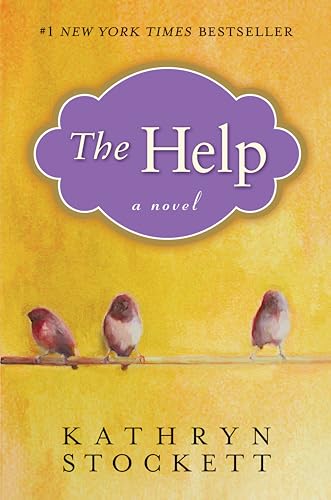
The Help by Kathryn Stockett describes Aibileen, a Black maid raising her seventeenth white child, and the loss of her son after his bosses looked the other way; their stories show how women are suffocating within the lines that define their town and their times.


Book links are Bookshop.org affiliate links. Curiate may earn a commission on purchases, at no extra cost to you — Bookshop.org also gives a share to independent bookshops.
Reading paths, built to arrive somewhere
Curiate turns what you are curious about into a short path — a quick lesson on an article, something to watch, and a book to go deep on. Free to browse.