How civil rights movements built coalitions
Civil rights movements were social movements in the United States from 1954 to 1968 that aimed to abolish legalized racial segregation, discrimination, and disenfranchisement, most commonly affecting African Americans. How did protest, education, and voting rights efforts advance civil rights? The lessons show how collective action and varied strategies challenged exclusion and expanded political participation.
2 articles, 1 book
The reading path
- Readcivil rights movements · Wikipedia
Within months of the Voting Rights Act of 1965's passage, 250,000 new black voters had been registered, one-third by federal examiners, as African Americans regained voting power and changed the political landscape of the South. In his televised address supporting the voting rights bill, President Johnson said, "Their cause must be our cause too," because "it is not just Negroes, but really it is all of us" who must overcome bigotry and injustice. On February 1, 1960, four students from North Carolina Agricultural & Technical College challenged Woolworth's segregated lunch counter by showing that the store accepted their money elsewhere but refused to serve them there. Sit-ins brought national attention to the movement in 1960, spreading by the end of the year to every southern and border state and to public facilities beyond lunch counters.
- ReadHow Septima Poinsette Clark Spoke Up for Civil Rights - JSTOR Daily · JSTOR Daily
Septima Poinsette Clark, an educator and activist, used persuasive speaking alongside literacy education to advance civil rights and encourage women's participation in the movement. In the 1960s, she established Citizenship Schools across the South, teaching black students literacy so they could legally register to vote and pass Jim Crow legislatures' literacy and citizenship tests.
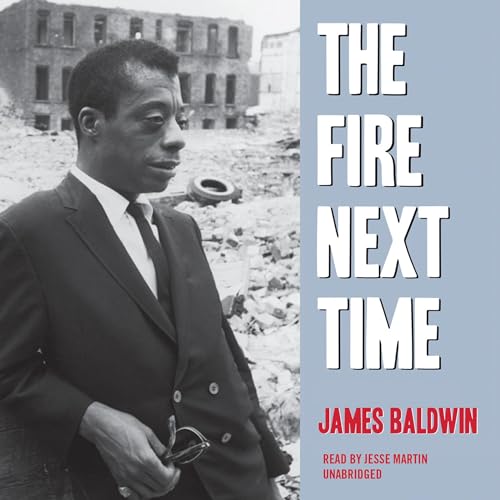
- BookThe Fire Next Time · Bookshop.org
The Fire Next Time by James Baldwin consists of two letters written on the centennial of the Emancipation Proclamation, in which Baldwin exhorts Americans, both black and white, to attack the terrible legacy of racism.


Book links are Bookshop.org affiliate links. Curiate may earn a commission on purchases, at no extra cost to you — Bookshop.org also gives a share to independent bookshops.
Reading paths, built to arrive somewhere
Curiate turns what you are curious about into a short path — a quick lesson on an article, something to watch, and a book to go deep on. Free to browse.