The French Revolution and social inequality
The French Revolution was a period of political and societal changes in France that began with the Estates General of 1789 and ended with the Coup of 18 Brumaire on 9 November 1799. How did inequality and financial hardship contribute to the Revolution? By the end, readers will understand how social divisions, political conflict, and challenges to traditional authority undermined confidence in the monarchy.
3 articles, 1 book
The reading path
- Readthe french revolution · Wikipedia
The privileged aristocracy and clergy stood in sharp contrast to impoverished peasants and a growing middle class, and disparities in wealth and opportunity fueled resentment. Financial crisis, soaring food prices and poverty intensified these tensions, while Enlightenment ideas of liberty and equality challenged traditional authority; King Louis XVI's failure to enact meaningful reforms further eroded confidence in the monarchy.
- ReadCauses of The French Revolution | Livius Prep · Livius Prep
Historians estimated that in lean years 90 percent of peasants lived at or below subsistence, earning only enough to feed their families. When the King called for an Estates-General in 1789, social tensions over inherited privileges emerged as a central issue of the Revolution, and pamphlets argued that representatives should vote by "head" rather than by "order," claiming commoners, especially the educated middle classes, had the same value as the other orders.
- BookA Tale of Two Cities · Bookshop.org
By 1788, half of state revenue went on servicing France's debt, while tax burdens fell mainly on the lower classes because the nobility and Church benefited from exemptions. In September 1788, the Parlement of Paris ruled that the Estates-General should convene in the same form as in 1614, sharpening the political crisis that led to the French Revolution of 1789.
- ReadSocial Causes of the Revolution · LIBERTY, EQUALITY, FRATERNITY: EXPLORING THE FRENCH REVOUTION · revolution.chnm.org
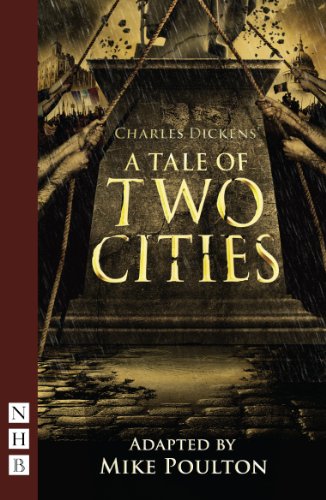
A Tale of Two Cities by Charles Dickens is a historical novel set in London and Paris before and during the French Revolution; in Book the Second, the Defarges help lead the storming of the Bastille, while Chapter 7 uses an unnamed aristocrat's decadence and self-absorption to characterize the ancien régime.

Book links are Bookshop.org affiliate links. Curiate may earn a commission on purchases, at no extra cost to you — Bookshop.org also gives a share to independent bookshops.
Reading paths, built to arrive somewhere
Curiate turns what you are curious about into a short path — a quick lesson on an article, something to watch, and a book to go deep on. Free to browse.