The history of slavery, resistance, and freedom
The history of slavery spans many cultures, tribes, nationalities, and religions from ancient periods to the present day, and the social, economic, and legal positions of slaves have differed vastly across systems, times, and places. How did enslaved people resist, and how did freedom change their lives? The lessons show how resistance took many forms and how emancipation unfolded differently across societies.
2 articles, 1 book
The reading path
- Readthe history of slavery · Wikipedia
Escaped slaves formed Maroon communities, surviving by growing vegetables and hunting; during attacks, they burned crops, stole livestock and tools, killed slavemasters, and invited other slaves to join. In Brazil, resistance and pressure helped bring slavery to an end: the Lei Áurea legally ended it nationwide on 13 May in 1888, making Brazil the last nation in the Western Hemisphere to abolish slavery. The Emancipation Proclamation was an executive order issued by President Lincoln on 1 January 1863, changing the U.S. government's recognized legal status of 3 million people in designated areas of the Confederacy from "slave" to "free." Plantation owners sometimes moved enslaved people out of reach of the Union Army, but by June 1865 the Union Army had liberated all designated slaves; many Freedmen remained on the same plantation after liberation. Britain outlawed the slave trade in the Empire in 1807, but slavery itself was not abolished there until the Slavery Abolition Act 1833. The West Africa Squadron seized approximately 1,600 slave ships and freed 150,000 Africans between 1808 and 1860; after 1833, freed African slaves declined cane-field employment, leading to the importation of indentured labour mainly from India, and also China.
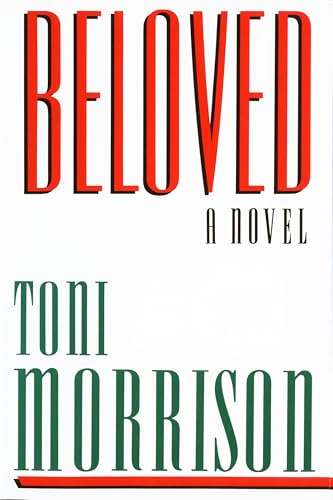
- BookBeloved · Bookshop.org
Enslaved families lost children, parents, and spouses to sale and separation, while stolen wages and inventions compounded the costs of slavery. Yet enslaved people resisted in many ways: some fled or rebelled, and in each generation, handfuls used hard-won literacy to publicize protests and visions of liberation. Their resistance also took shape in quiet places of worship, where they developed new theologies and ways of narrating their world.
- ReadA History of Slavery in the United States - AAIHS · AAIHS - African American Intellectual History Society
Beloved by Toni Morrison depicts Sethe grappling with her traumatic past, describes the limitations enslaved women faced, and explores the interior life of the formerly enslaved.

Book links are Bookshop.org affiliate links. Curiate may earn a commission on purchases, at no extra cost to you — Bookshop.org also gives a share to independent bookshops.
Reading paths, built to arrive somewhere
Curiate turns what you are curious about into a short path — a quick lesson on an article, something to watch, and a book to go deep on. Free to browse.