The human aftermath of the atomic bomb on Hiroshima
The atomic bomb's impact on Hiroshima began on 6 August, when a bomb was dropped on the city, and its effects killed 90,000 to 166,000 people over the next two to four months. This path follows survivors' accounts of injury and loss, and explores how radiation could affect health, how some survivors faced discrimination, and how Hiroshima rebuilt.
2 articles, 1 book
The reading path
- Readthe impact of the atomic bomb on hiroshima · Wikipedia
Survivor accounts frequently feature cries from people trapped within crushed structures and people with horrific burns. Survivor accounts also prominently feature survivors who appeared uninjured but would succumb within hours or days to what would later be identified as radiation sickness; small fires merged into a fast-moving firestorm. After Typhoon Ida struck Hiroshima on 17 September 1945, more than half its bridges were destroyed and its roads and railroads damaged, compounding the devastation. Yet the population rose from 83,000 soon after the bombing to 146,000 in February 1946, and reconstruction included government assistance and the Hiroshima Peace Memorial Museum, opened in 1955.
- BookHiroshima · Bookshop.org
A dataset covering middle- and older-generation Hiroshima residents some 60 years after the tragedy shows that Atomic Bomb Survivors did not necessarily suffer unfavorable experiences in average marriage status or educational attainment, but did experience significant disadvantages in some aspects, including married couples' husband/wife combinations, work status, mental health, and expectations for the future. The study examines the atomic bombing that occurred in Hiroshima in 1945.
- ReadInstitute for Economic Studies, Keio University · ies.keio.ac.jp
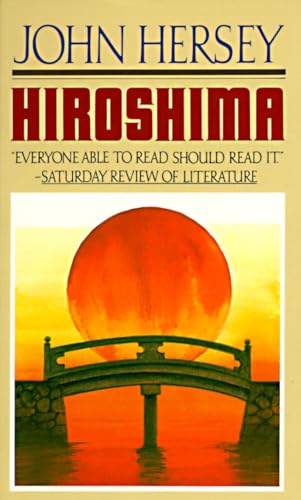
Hiroshima, by John Hersey, tells the stories of six survivors of the atomic bomb dropped on Hiroshima. The New Yorker's publication note describes Hersey's article as addressing both the city's near-complete obliteration and what happened to its people.

Book links are Bookshop.org affiliate links. Curiate may earn a commission on purchases, at no extra cost to you — Bookshop.org also gives a share to independent bookshops.
Reading paths, built to arrive somewhere
Curiate turns what you are curious about into a short path — a quick lesson on an article, something to watch, and a book to go deep on. Free to browse.