Environmental health and pollution's threats to human health
Environmental health is the branch of public health concerned with all aspects of the natural and built environment affecting human health; its study determines the requirements for a healthy environment to effectively control factors that affect health. How does pollution threaten human health? Readers will understand how exposure, unequal risks, and environmental conditions shape pollution's health effects and the challenges of reducing harm.
4 articles, 1 book
The reading path
- Readenvironmental health · Wikipedia
Air pollution is responsible for over 6.5 million deaths each year, as of 2022, and its risk depends on the pollutant's hazard and a person's exposure. A child who plays outdoor sports may have a higher likelihood of exposure than an adult who tends to spend more time indoors; environmental health officials work to identify people and communities at higher risk and decrease community exposure. A 2021 study found that racial and ethnic minority groups in the United States are exposed to disproportionately high levels of particulate air pollution. Marginalization, economic and political processes, and racism often put the most marginalized groups next to pollution sources, while racial housing policies continue to exacerbate racial minority exposure even as overall pollution levels decline.
- ReadImpact of climate change on health is 'the major threat of 21st century' - Carbon Brief · Carbon Brief
Heatwave exposure has previously been linked to an increased risk of premature death in many parts of the world, he explains: "During the 2003 European heatwave, there were 75,000 extra premature deaths in Europe, including 2,000 in the UK." The report finds that climate change is already significantly harming millions of people worldwide, including by increasing exposure to heatwaves and the risk of infectious diseases.
- BookSilent Spring · Bookshop.org
Louisiana's industrial corridor, an 85-mile stretch of the Mississippi River between New Orleans and Baton Rouge, is home to more than 150 chemical plants and refineries and is known as "Cancer Alley," Louisiana. The Global Alliance on Health and Pollution estimates that toxic pollutants are responsible for 15 percent of all premature deaths worldwide.
- ReadEnvironmental Toxins: Health Impacts and the Role of Public Health Professionals · Tulane University
Three billion people around the world use wood fuel or solid fuel for daily heating and cooking, and using these fuels for domestic needs due to low incomes exposes people to polluted air at home. In developing countries, women in the household seem to carry the highest risk for disease development due to their longer duration exposure to indoor air pollution.
- ReadEnvironmental and Health Impacts of Air Pollution: A Review - PMC · pmc.ncbi.nlm.nih.gov
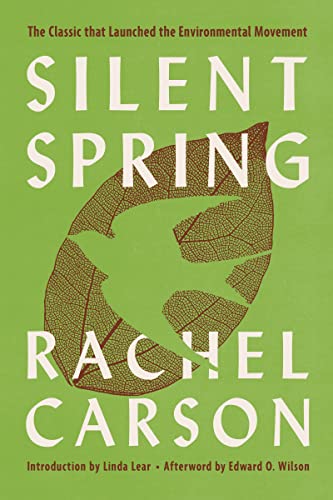
Silent Spring by Rachel Carson focuses on pesticides' effects on natural ecosystems, describes cases of human pesticide poisoning, cancer, and other illnesses attributed to pesticides, and closes with a call for a biotic approach to pest control as an alternative to chemical pesticides.


Book links are Bookshop.org affiliate links. Curiate may earn a commission on purchases, at no extra cost to you — Bookshop.org also gives a share to independent bookshops.
Reading paths, built to arrive somewhere
Curiate turns what you are curious about into a short path — a quick lesson on an article, something to watch, and a book to go deep on. Free to browse.