Women's health across pregnancy, contraception, and breastfeeding
Women's health is an example of population health, with health defined by the World Health Organization as complete physical, mental, and social well-being, not merely the absence of disease or infirmity. How do pregnancy-related risks, contraception access, and breastfeeding connect to women's health? By the end, readers will understand how reproductive experiences and access to care relate to women's health beyond reproduction.
2 articles, 1 book
The reading path
- Readwomen's health · Wikipedia
In 2013 about 289,000 women (800 per day) in the world died due to pregnancy-related causes, with large differences between developed and developing countries. In developed nations, maternal mortality had been steadily falling and averaged 16 deaths per 100,000 live births, as measured by the maternal mortality ratio (MMR). Worldwide, 222 million women have no or limited access to contraception. Access can support women's autonomy and well-being, and some barrier forms of contraception, such as condoms, also reduce the risk of STIs and HIV infection; cultural and religious traditions can create barriers to access.
- BookThe Womanly Art of Breastfeeding · Bookshop.org
Impaired glucose tolerance is difficulty processing sugar after a glucose drink; at 6 to 9 weeks postpartum, among mothers whose breastfeeding intensity was measured, mothers who mostly or exclusively formula-fed were more likely to have it than exclusively breastfeeding mothers (41.5 vs 24.6%). This finding links lactation, a part of reproductive health, with women's glucose health beyond reproduction.
- ReadAssociations between lactation, maternal carbohydrate metabolism, and cardiovascular health - PMC · pmc.ncbi.nlm.nih.gov
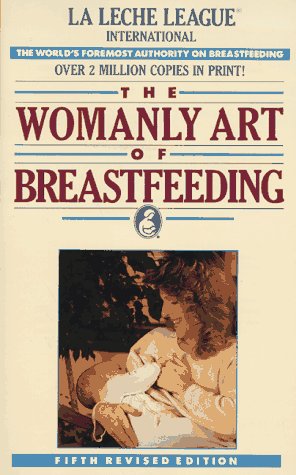
The Womanly Art of Breastfeeding by La Leche League International offers a compassionate, empowering perspective on breastfeeding, emphasizing the emotional and physical aspects of nurturing and broadening how readers view women's health and maternal care.
Book links are Bookshop.org affiliate links. Curiate may earn a commission on purchases, at no extra cost to you — Bookshop.org also gives a share to independent bookshops.
Reading paths, built to arrive somewhere
Curiate turns what you are curious about into a short path — a quick lesson on an article, something to watch, and a book to go deep on. Free to browse.