Global health issues and environmental choices
Global health issues concern the health of populations worldwide, with a priority on improving health and achieving equity for all, especially where problems cross borders or have global political and economic effects. The lessons answer how health challenges connect across countries and what kinds of responses can improve health. They consider access to care, infectious threats, trade, pollution, and climate action.
3 articles, 1 book
The reading path
- Readglobal health issues · Wikipedia
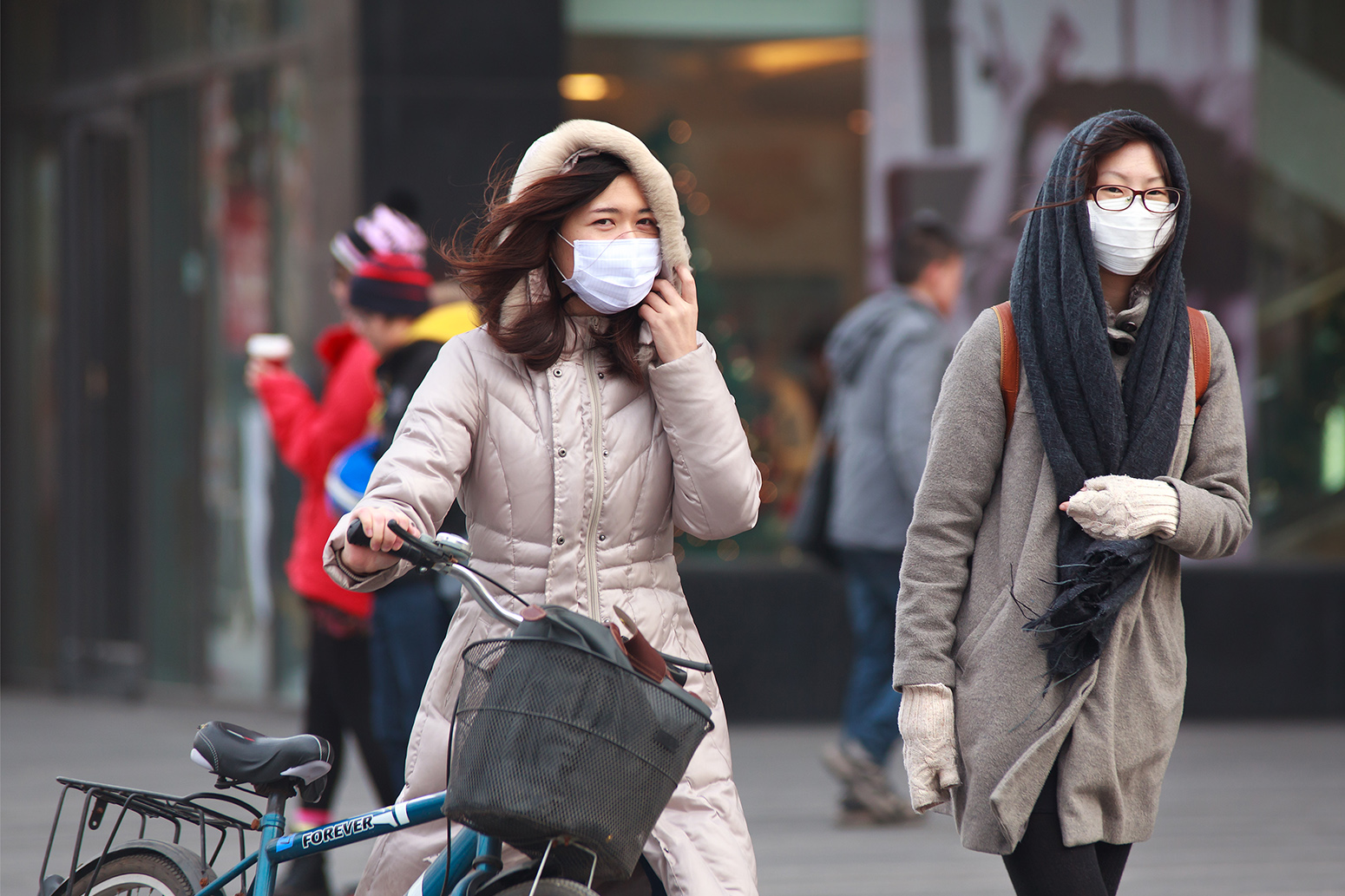
In 2014, the World Health Organisation estimated that air pollution caused seven million extra deaths each year, and 88% of the world's population breathed air below its guidelines for safe levels. The report says reducing fossil-fuel air pollution offers the biggest health benefits worldwide; scientists estimate that cutting greenhouse gas emissions to limit climate change could halve the more-than-three-year reduction in average life expectancy caused by air pollution in China.
- ReadTackling climate change will reap benefits for human health - Carbon Brief · Carbon Brief
Retrofitting buildings to be more energy efficient could save the National Health Service (NHS) more than â?¬700m per year in England alone. The report argues that cutting greenhouse gas emissions is a "unique opportunity" to mitigate climate change while improving population health: many mitigation or adaptation choices are "no regret" options that reduce ill-health, strengthen communities and help alleviate poverty. It also says healthier low-carbon lifestyles need political and local support, such as safe walking and cycling networks and access to green spaces.
- BookMountains Beyond Mountains · Bookshop.org
Consumption and international trade in commodities associated with deforestation could indirectly raise malaria risk: many primary commodities cause deforestation, which can increase transmission. Consumption of these commodities in developed nations could therefore increase malaria risk in developing nations.
- ReadTackling climate change will reap benefits for human health - Carbon Brief · Carbon Brief
Mountains Beyond Mountains by Tracy Kidder describes Farmer's efforts to diagnose and cure infectious diseases, bring modern medicine to those who need it, and enlist the Gates Foundation, George Soros, and the U.N.'s World Health Organization. Kidder's account shows how medical work and institutional support figure in efforts to address global health issues.



Book links are Bookshop.org affiliate links. Curiate may earn a commission on purchases, at no extra cost to you — Bookshop.org also gives a share to independent bookshops.
Reading paths, built to arrive somewhere
Curiate turns what you are curious about into a short path — a quick lesson on an article, something to watch, and a book to go deep on. Free to browse.