The North Pole quest and shifting Arctic ice
The quest for the North Pole was a series of expeditions to reach the Pole, generally using whaling ships, and in 1827 William Edward Parry reached latitude 82°45′ North. What can Arctic expeditions against shifting ice help us understand about the pursuit of the Pole? The lessons trace how changing ice shaped exploration, research, and rescue.
2 articles, 1 book
The reading path
- Readthe quest for the north pole · Wikipedia
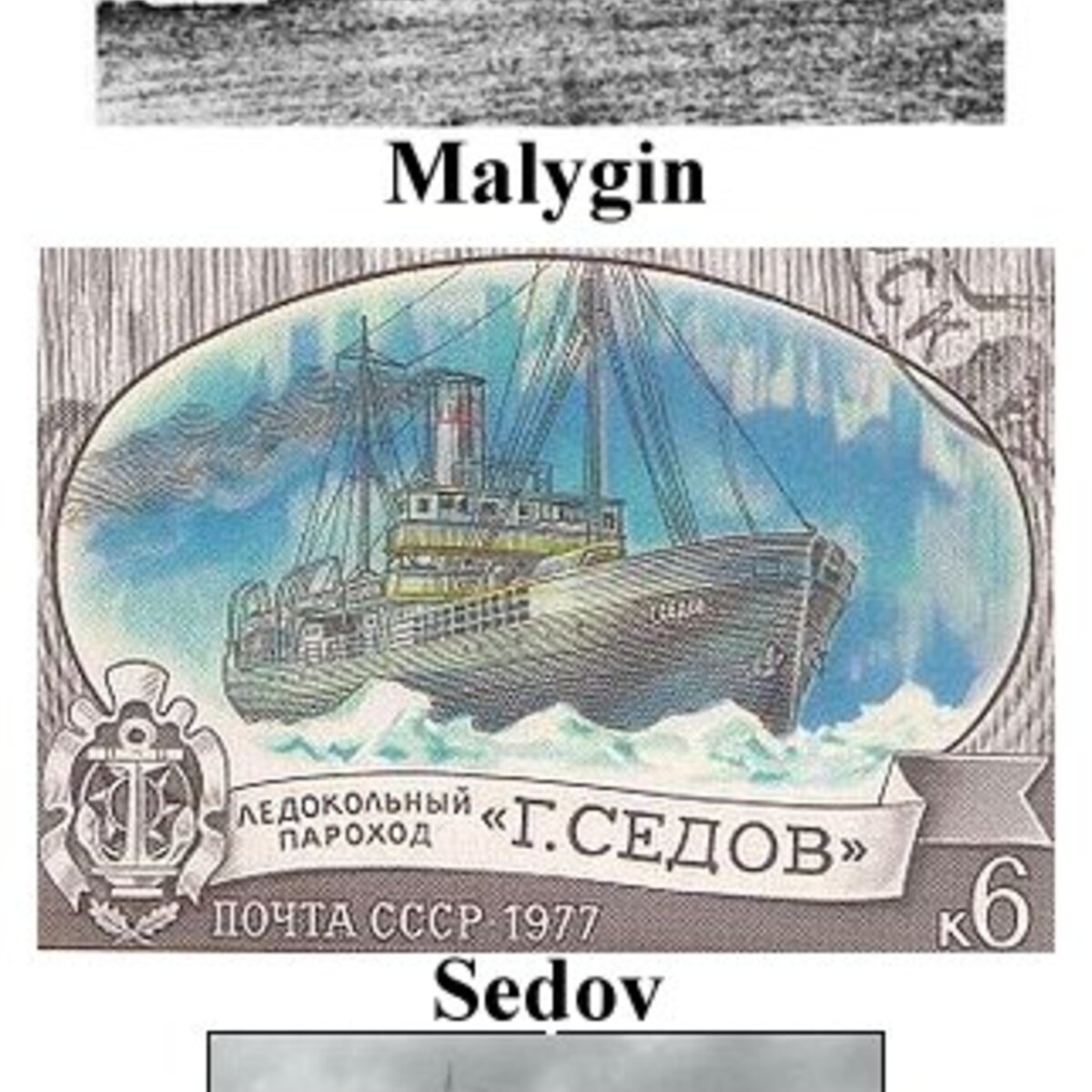
North Pole 1 aimed to track the Transpolar Drift, but the floe's movement made rescue urgent: on February 1 1938 it began breaking up about 60 miles off Greenland just north of Scoresbysund. The icebreakers Taymyr and Murman pushed through the pack to within a mile, and crews crossed the ice in a celebratory procession to reach the four men.
- Read"Arctic Heroes #2 – North Pole 1" · science20.com
North Pole-1, established by Soviet scientists in May 1937, drifted with the ice: by 19 February 1938, the station had moved 2850 km to the eastern coast of Greenland. The four scientists conducted research there for nine months before ice breakers Taimyr and Murman picked them up. North Pole sea ice is typically around 2 to 3 m thick, but its thickness, extent, and open-water fraction can vary rapidly and profoundly. Studies have shown that average ice thickness has decreased in recent years, and retreating Arctic sea ice may have serious climate implications, including by contributing to Arctic cyclone generation; this may have significant commercial implications for territorial claims.
- BookThe Terror · Bookshop.org
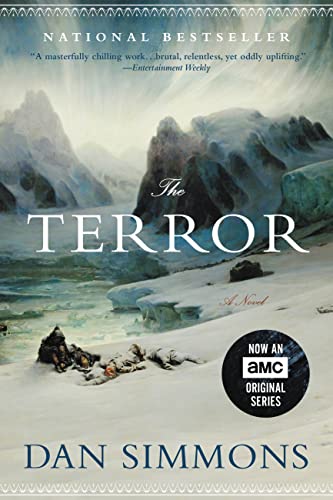
The Terror by Dan Simmons is a fictionalized account of Captain Sir John Franklin's lost expedition to locate the Northwest Passage, describing how HMS Terror and HMS Erebus became trapped in ice and how cold weather and dwindling, often putrid provisions compounded the crews' ordeal. It also gives a narrative of the expedition's hazards and decisions in the Arctic.

Book links are Bookshop.org affiliate links. Curiate may earn a commission on purchases, at no extra cost to you — Bookshop.org also gives a share to independent bookshops.
Reading paths, built to arrive somewhere
Curiate turns what you are curious about into a short path — a quick lesson on an article, something to watch, and a book to go deep on. Free to browse.