Utilitarianism and Its Ethical Challenges in Victorian Reform
Utilitarianism emerged in the Victorian era as a guiding principle for social reform, often prioritizing the greatest good over individual rights. The Poor Law Amendment Act of 1834 exemplifies this tension, as it aimed to optimize welfare at the expense of the poor's basic needs. The harsh realities of Victorian slums reveal the human cost of these policies, highlighting the stark contrast between progress and suffering. A critical examination of utilitarian ethics through contrasting essays showcases the ongoing debate around its moral implications.
- ReadUtilitarianism · Wikipedia
Defines utilitarianism as a theory that prescribes actions maximizing happiness for all affected individuals, emphasizing the greatest good for the greatest number. Jeremy Bentham, its founder, describes utility in terms of pleasure, happiness, and the prevention of harm.
- ReadPoor Law Amendment Act 1834 · Wikipedia
Describes the Poor Law Amendment Act 1834 as legislation that denied the poor the right to subsistence, fundamentally altering the poverty relief system in England and Wales. The Act emerged from the 1832 Royal Commission, which included prominent figures like Edwin Chadwick.
- WatchThe Harsh Reality Of Victorian London Slums · YouTube
Exposes the brutal conditions of Victorian London slums, revealing the stark contrasts between progress and squalor faced by millions. The documentary highlights the public health crisis exemplified by the 'Great Stink' and the devastating impact of workhouses on families.
- BookUtilitarianism: For and Against · Bookshop.org
Presents two essays on utilitarianism from opposing perspectives, with J.J.C. Smart advocating for a modern interpretation of classical utilitarianism. Bernard Williams counters by questioning the moral implications of prioritizing collective happiness over individual rights.
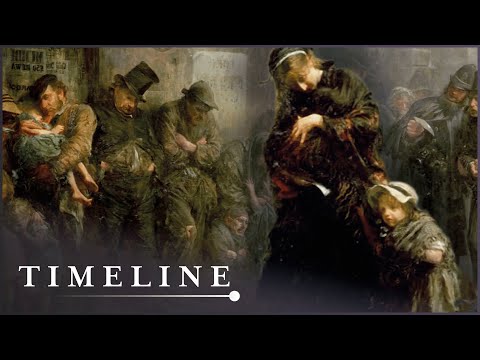

The selected pieces trace the development of utilitarianism and its application to Victorian social policy, illustrating the ethical conflicts that arose. Beginning with a foundational overview of utilitarianism, the curation moves to a specific legislative example, the Poor Law Amendment Act, which reflects its principles in action. A documentary then provides a visceral depiction of the consequences of these policies on the lives of the poor, setting the stage for a philosophical debate. Finally, the contrasting essays in the anchor piece provoke deeper reflection on the merits and drawbacks of utilitarianism.
Book links are Bookshop.org affiliate links. Curiate may earn a commission on purchases, at no extra cost to you — Bookshop.org also gives a share to independent bookshops.
Reading paths, built to arrive somewhere
Curiate turns what you are curious about into a short path — an entry point, something to watch, and the key book on the topic. Free to browse.